Post Offices in the past were often among the most prominent and striking buildings in towns; though nowadays many are empty or have been converted to other uses.
Variety of architectural style was the norm in the 19th and early 20th centuries, local materials often being used. The former Post Office in East Street, Petworth, for instance, of circa 1910, is asymmetrical in local vernacular style.
More splendid is the red brick and half-timbered Post Office beside the bridge at Arundel, designed by the Norfolk Estate clerk of works W Heveningham circa 1895 (the 15th Duke of Norfolk was Postmaster-General at the time).
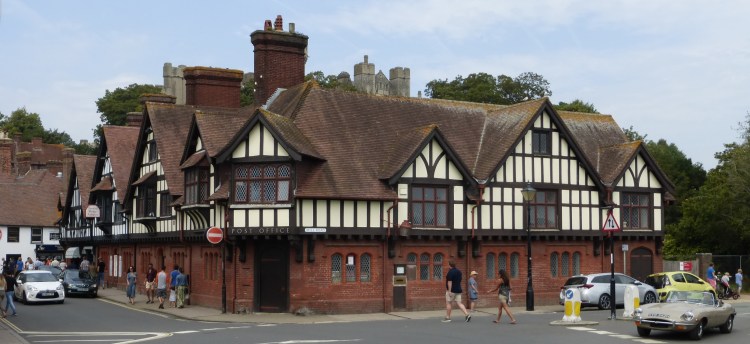
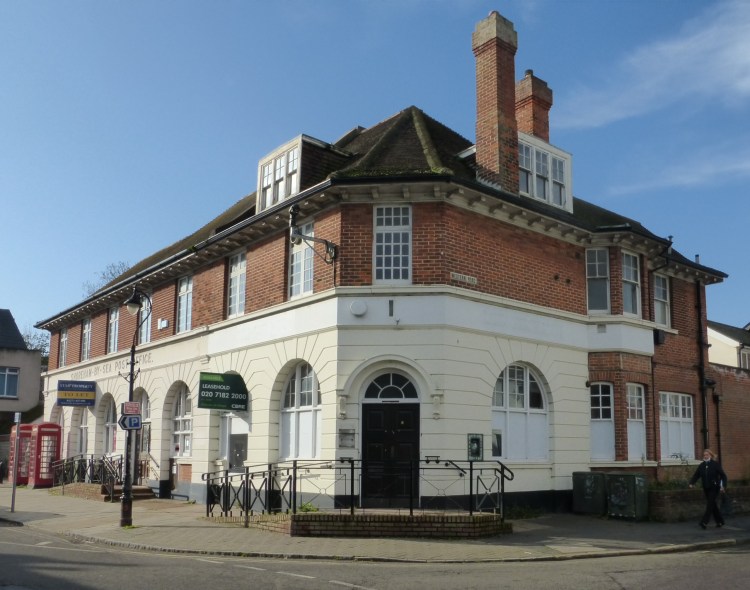
The Post Office in Brunswick Road, Shoreham-by-Sea, of circa 1918 is in the version of Classical style usually called ‘Queen Anne’. Its size reflects the large volume of letters caused by the recent influx of armed forces here. The architect is unknown.
The string course between its two stories bears the place name in bold incised capitals.
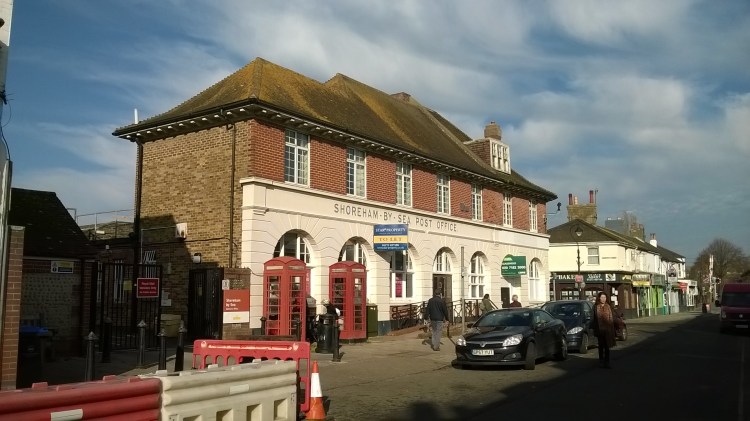
Tall chimneys were a feature of the Shoreham design, which like the Arundel Post Office makes the most of its corner site.
Characteristic of the 1920s and 1930s, however, was Neo-Georgian, adopted by H M Office of Works as the new house style for Post Office buildings. Simplicity and urbanity were a contrast to the stylistic ‘free for all’ of the Victorian and Edwardian periods, and perhaps also suggested a return to order after the upheaval of World War 1.
Two of the best West Sussex examples are the town-centre Post Offices at Chichester and Worthing. Both are the work of David Dyke, the most prolific of the Office of Works’s designers.
Each occupies a prominent site. The Chichester Post Office in West Street, of 1937, with its mixture of red and grey brick and stone dressings, faces Chichester Cathedral.
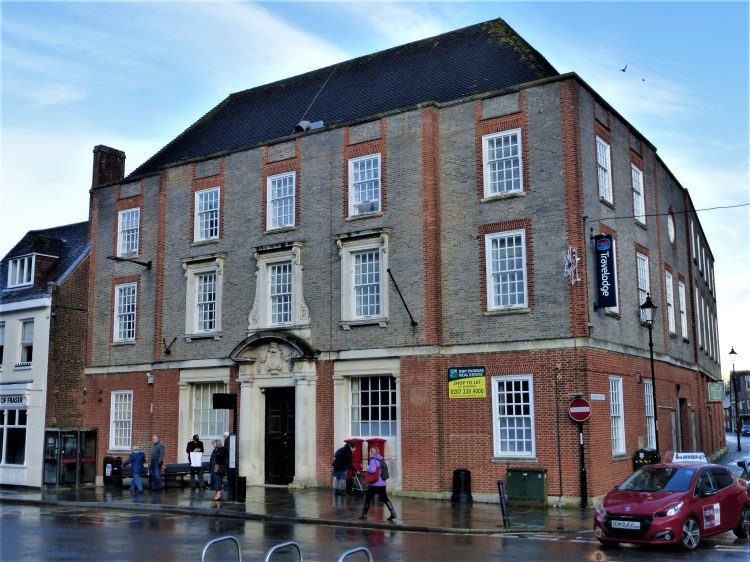
The Worthing Post Office, of 1930, makes an effective end stop to the view from Richmond Road.
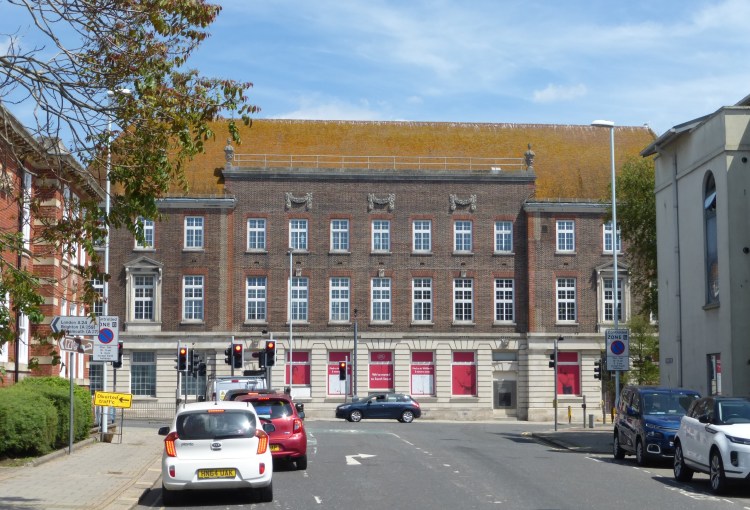
Decorative details in both buildings are simple: the fine Doric doorcase at Chichester;
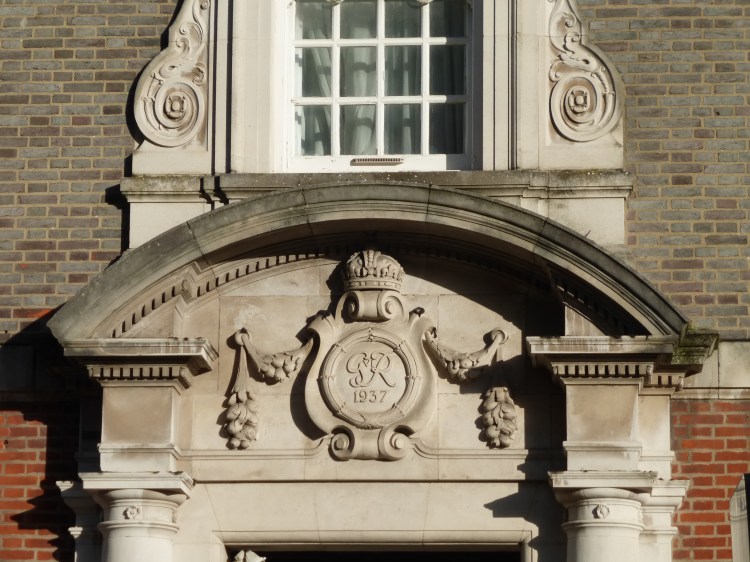
and keystones at Worthing which take the form of the caduceus of Mercury, the messenger of the gods.
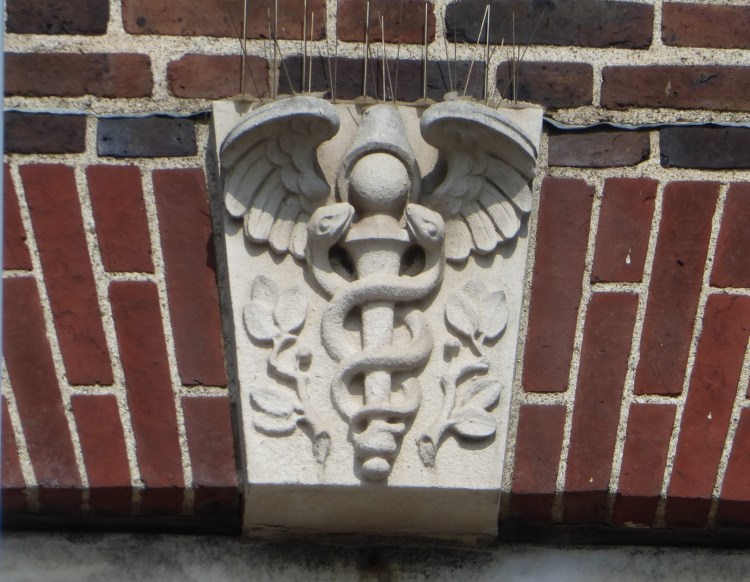
The Post Office in High Street, Bognor Regis is on a much smaller scale, fitting neatly into the street scene.
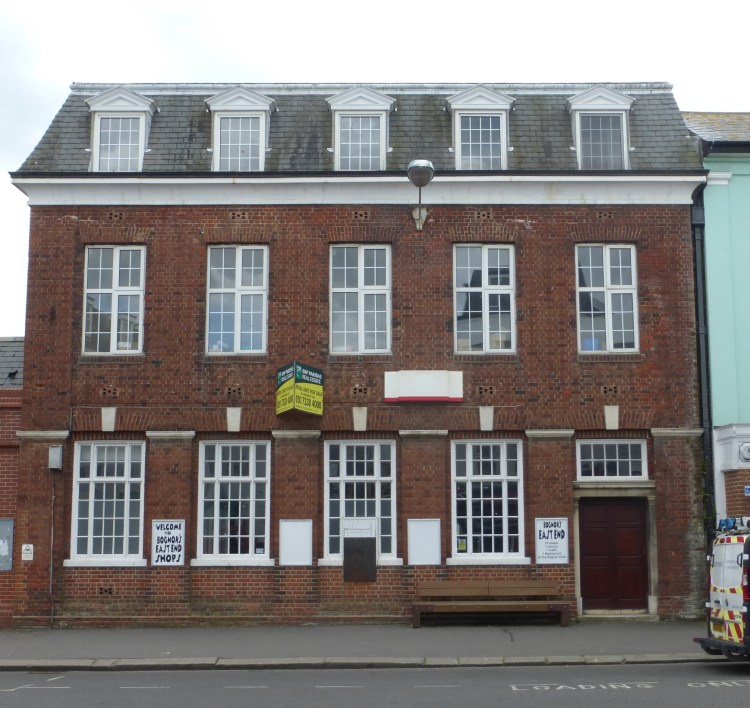
At Midhurst the Post Office of circa 1936 is less prominently sited on a side street, but is impressive nonetheless in a chunky way with its darker brickwork. The architect is again unknown.
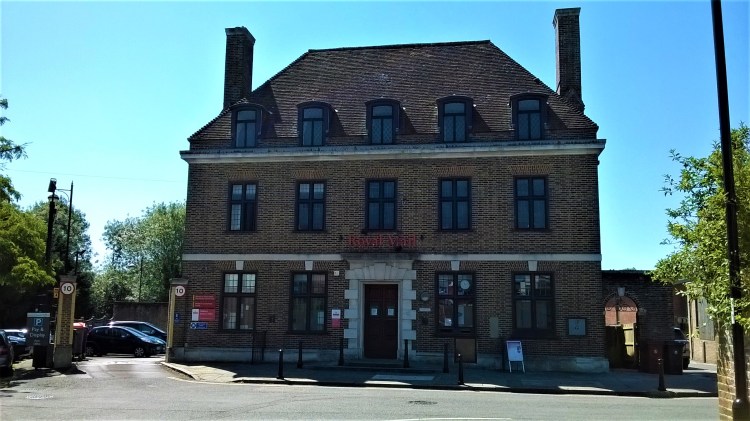
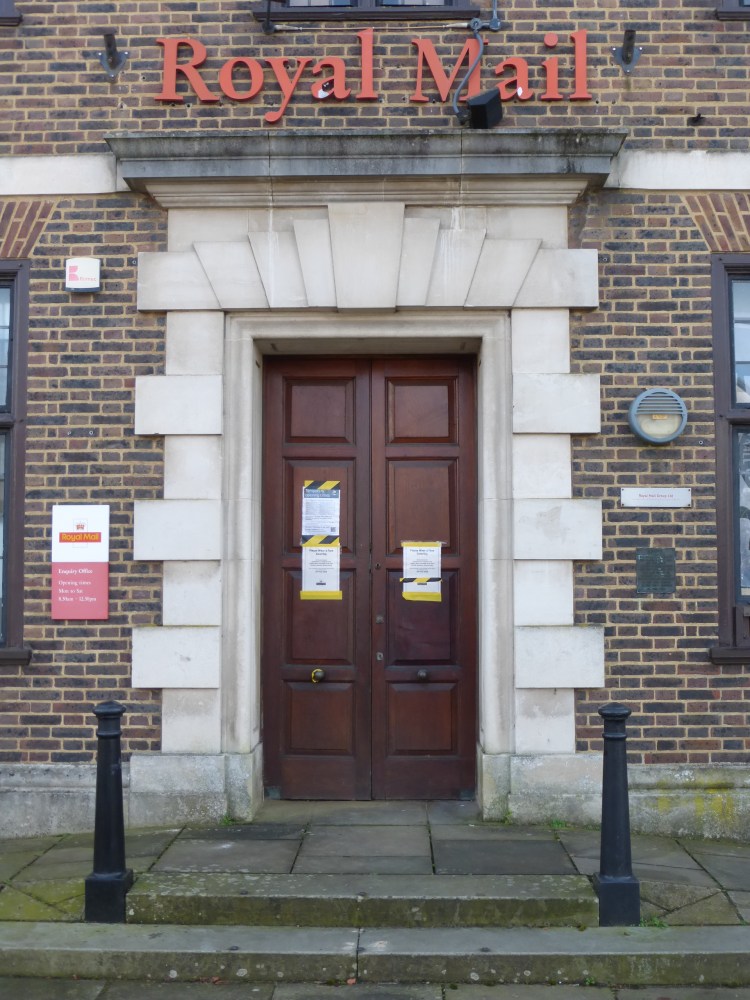
Telephone Exchanges built at the same period by H M Office of Works shared the Neo-Georgian idiom of Post Offices, for instance that at Goring–by-Sea at the west end of the Worthing conurbation.
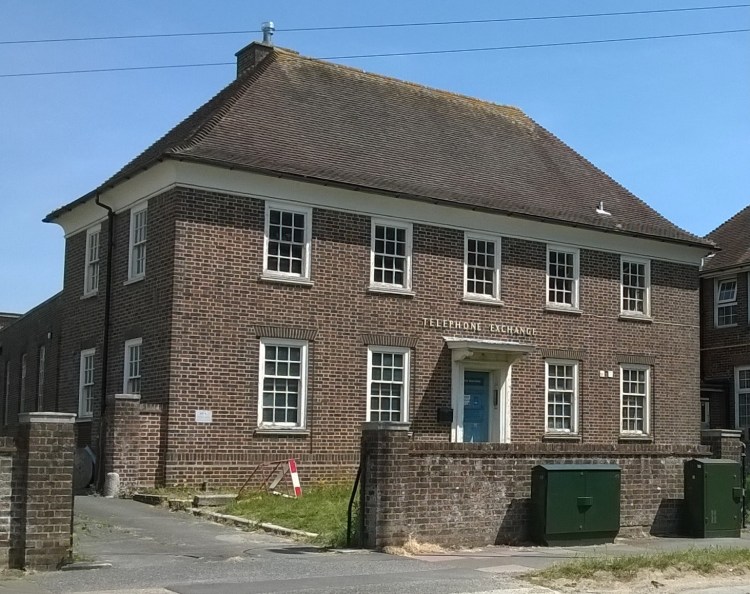
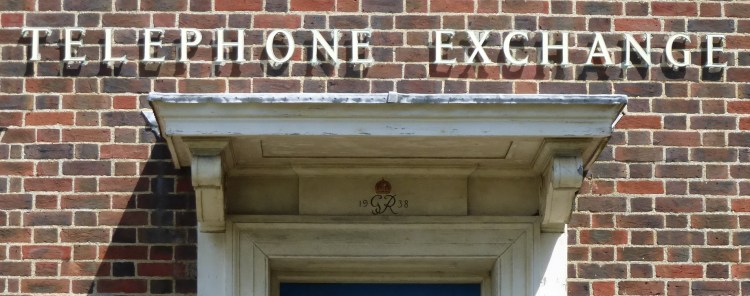
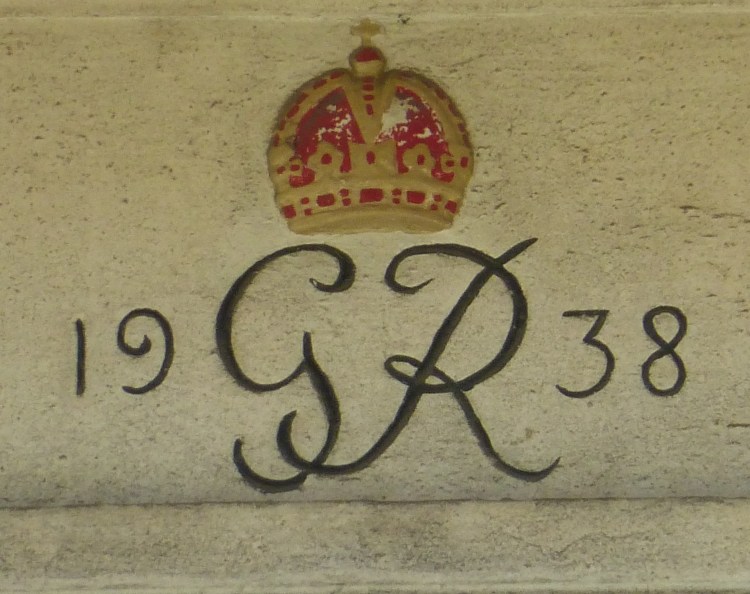
This building is quite humdrum in appearance, apart from the coloured date panel for 1938 over the front door.
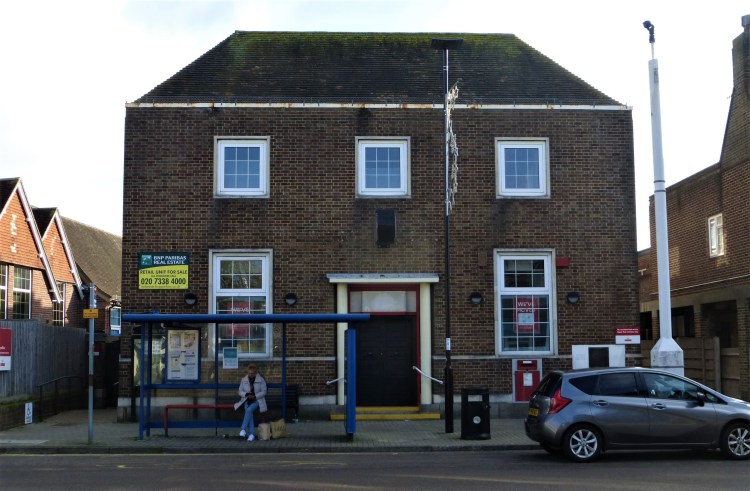
Some later Post Offices such as that at South Lancing represent a more ‘stripped’ version of the Neo-Georgian mode. By this date chimneys were no longer felt to be necessary.
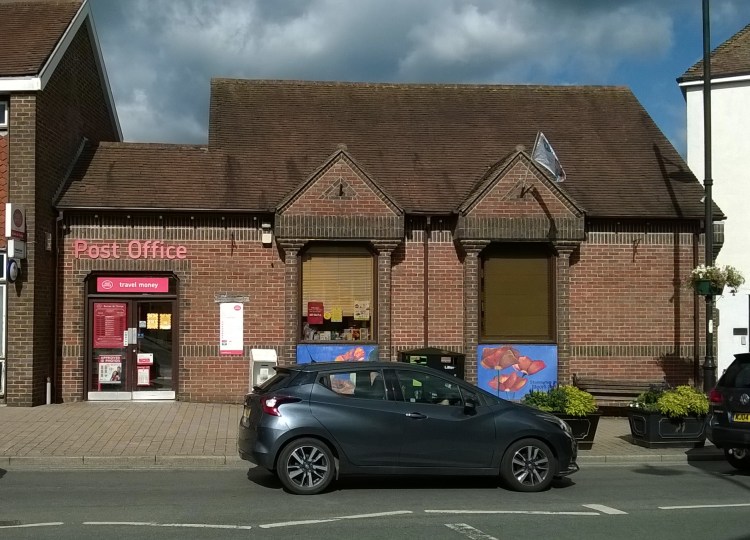
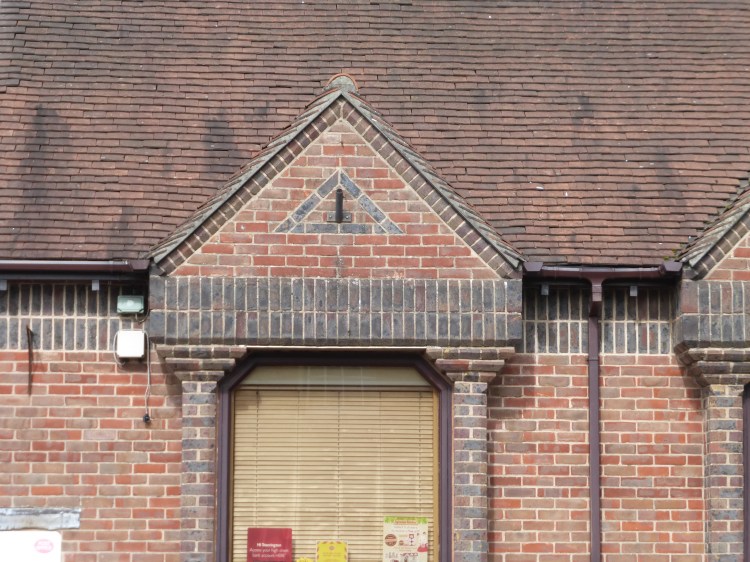
The Neo-Georgian idiom was later dropped in favour of more ‘modern’ designs, often of poor aesthetic quality. The quirky brick Post Office at Storrington, however, echoes Classicism in some of its details.
Neo-Georgian Post Offices and Telephone Exchanges were ably complemented by successive designs for Telephone Boxes made by Sir Giles Gilbert Scott, architect of Liverpool Anglican Cathedral and Bankside Power Station, now Tate Modern.
Scott’s K2 design (‘K’ standing for ‘kiosk’), of 1924, appeared mostly in London, for example beside the Law Courts in The Strand.
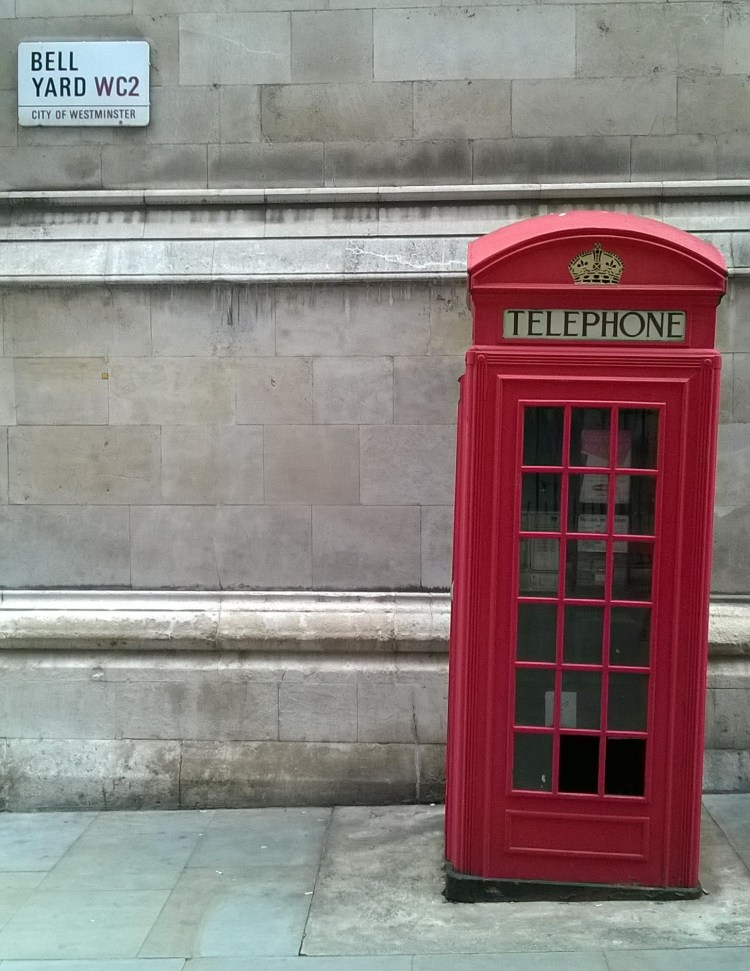
This design, which has been described by the architectural historian Gavin Stamp as ‘a distillation of the essence of Classicism’, shows the influence of the early-19th-century architect Sir John Soane.
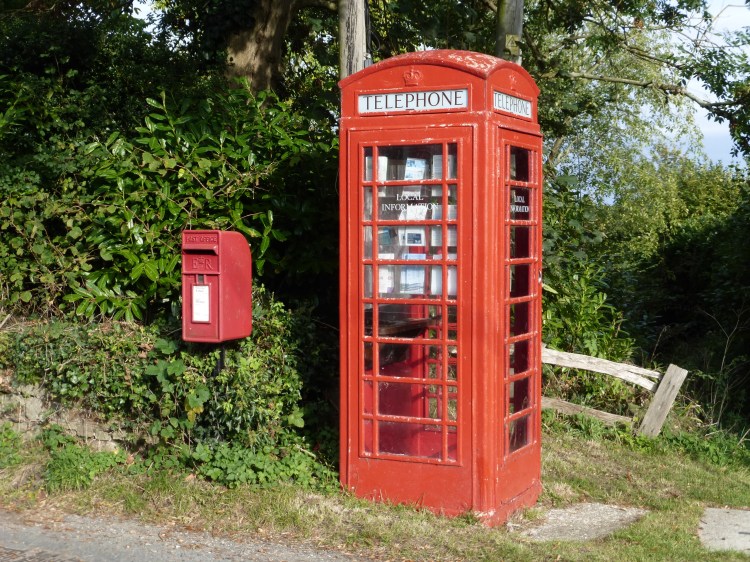
Its successor K6, of 1935-6, smaller and less robust, was rolled out across the UK, as well as in some other countries of the British Empire, for instance Malta, Gibraltar, and Bermuda.
Rural West Sussex examples of the K6 include one in Sutton village near Petworth which retains its original red colour.
White paint meanwhile gives a striking appearance to another example on the green north of Slaugham church.
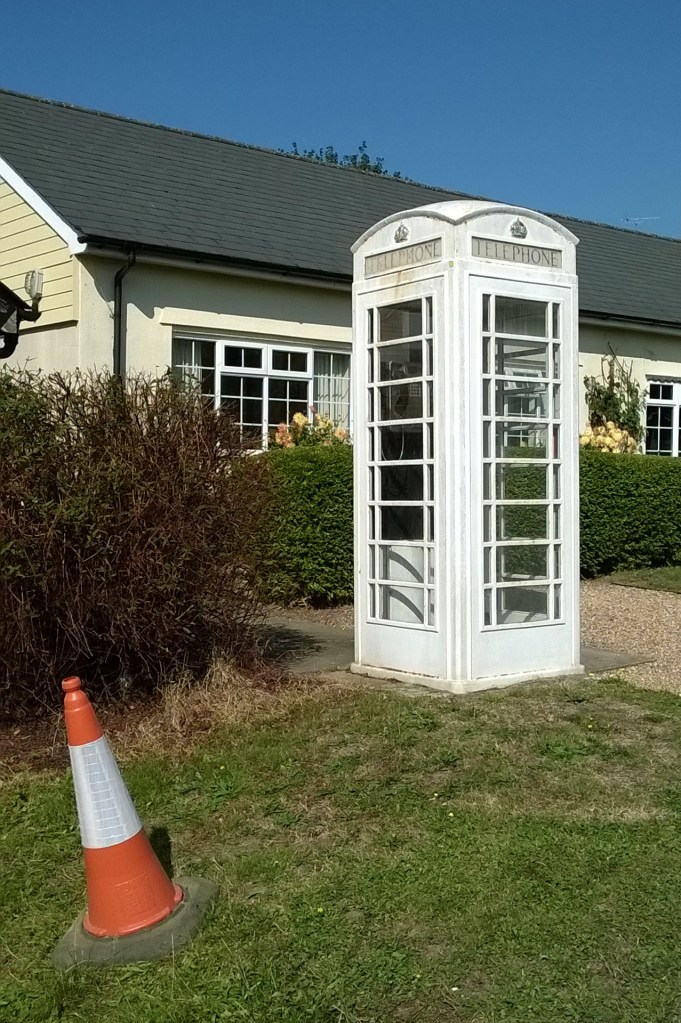
Since Telephone Boxes became largely redundant the K6 has often been preserved, occasionally housing, for instance, mini libraries or local information stations. Thanks to campaigning by the Thirties Society, forerunner of the Twentieth Century Society, about 3,000 examples have now been listed. Individual Telephone Boxes are meanwhile available for purchase; in 2021 the going rate was £2,750 plus VAT.
Successor Telephone Boxes of the 1960s and later often lacked the distinction of Scott’s K2 and K6.
The nadir of public design is surely represented by Chichester’s new Telephone Exchange of circa 1973, a planning disaster.
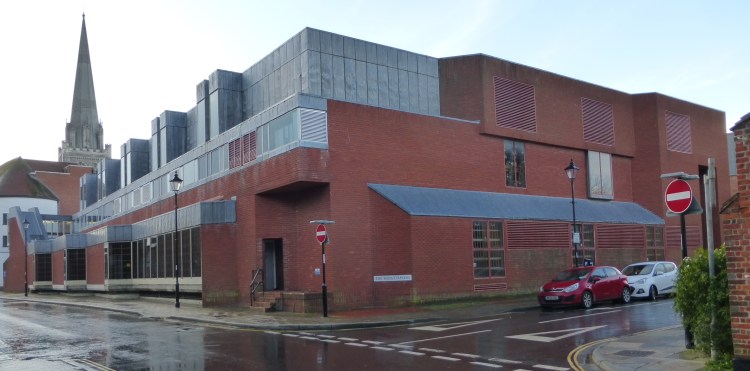
Perhaps, despite Classicism’s current unfashionability, the Neo-Georgian style did have solid virtues after all.
****
Further reading: Neo-Georgian Architecture 1880–1970: a reappraisal, ed Julian Holder and Elizabeth McKellar (2016), especially chapter 10 on the Office of Works; Julian Osley, Built for Service: Post Office Architecture (2010); and Gavin Stamp, Telephone Boxes (1989).
****
Images © Tim and Ann Hudson.
Blog posts to come: Garden buildings; Bankers’ Georgian; What is Classical architecture?


Dear Tim, Another very interesting read, for which many thanks. Noteworthy that most of the buildings you describe have signs indicating they are for sale, reflecting the fact that technology and privatisation have combined to make the traditional postal service largely redundant. Banks are in the same position (note the unsuccessful effort to keep the distinguished ex-NatWest bank in Petworth in some form of community use) and churches continue to be closed at an alarming rate. As patterns of social interaction and ways of doing business change, so the built environments in which these activities have traditionally taken place must adapt or die. What concerns me is what uses they are then put to and what the quality will be of new buildings which are designed to meet the needs of modern society and industry. Given the lack of commitment of the present Government to the town planning system, it may well fall to non-governmental and voluntary bodies to carry the torch for the good design of public and ex-public buildings in our towns and villages. Your work provides an essential baseline for such discussions. Incidentally, Sue and I had excellent weekend at The Abbey Gatehouse at Tewkesbury recently: thank you very much for the recommendation. Kind regards to you both, John.
Dr John Godfrey DL MA FSA Patron, Sussex Heritage Trust +44 7585 225367
>
LikeLike
Thank you John for passing a copy of this one and as you say an interesting read.
Simon
From: John Godfrey
Sent: 11 April 2022 17:40
To: Classicism on the South Coast
Cc: Simon Knight ; David Cowan ; Helen Reeve ; Sue Hepburn
Subject: Re: [New post] POST OFFICE GEORGIAN
[External Email]
Dear Tim,
Another very interesting read, for which many thanks.
Noteworthy that most of the buildings you describe have signs indicating they are for sale, reflecting the fact that technology and privatisation have combined to make the traditional postal service largely redundant.
Banks are in the same position (note the unsuccessful effort to keep the distinguished ex-NatWest bank in Petworth in some form of community use) and churches continue to be closed at an alarming rate.
As patterns of social interaction and ways of doing business change, so the built environments in which these activities have traditionally taken place must adapt or die. What concerns me is what uses they are then put to and what the quality will be of new buildings which are designed to meet the needs of modern society and industry.
Given the lack of commitment of the present Government to the town planning system, it may well fall to non-governmental and voluntary bodies to carry the torch for the good design of public and ex-public buildings in our towns and villages. Your work provides an essential baseline for such discussions.
Incidentally, Sue and I had excellent weekend at The Abbey Gatehouse at Tewkesbury recently: thank you very much for the recommendation.
Kind regards to you both,
John.
Dr John Godfrey DL MA FSA
Patron, Sussex Heritage Trust
+44 7585 225367
LikeLike