Though Classicism as an architectural style seems particularly appropriate for war memorials (see previous blog post WAR MEMORIALS), it has also suited many other commemorative contexts from Classical antiquity onwards.
Numerous Greek grave stelai survive from the 5th century BCE onwards, for example the serene memorial to Dexileos in the Kerameikos cemetery in Athens (the version now in situ is a replica).
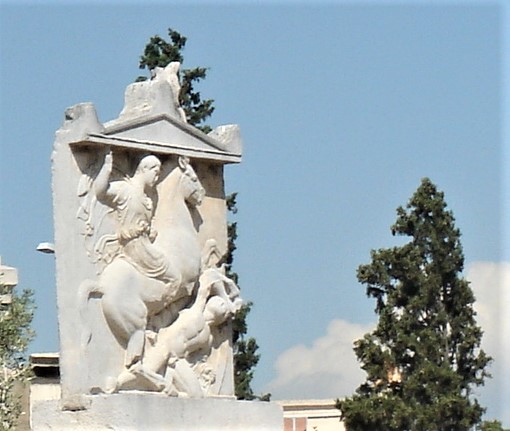
A similar use of sculpture appears in monuments of the Italian Renaissance, beginning in Tuscany in the 15th century.
West Sussex has many examples in church and churchyard memorials from the 17th century to the early 19th. The influence of the Gothic revival was pronounced during the later 19th century, but Classical design returned thereafter.
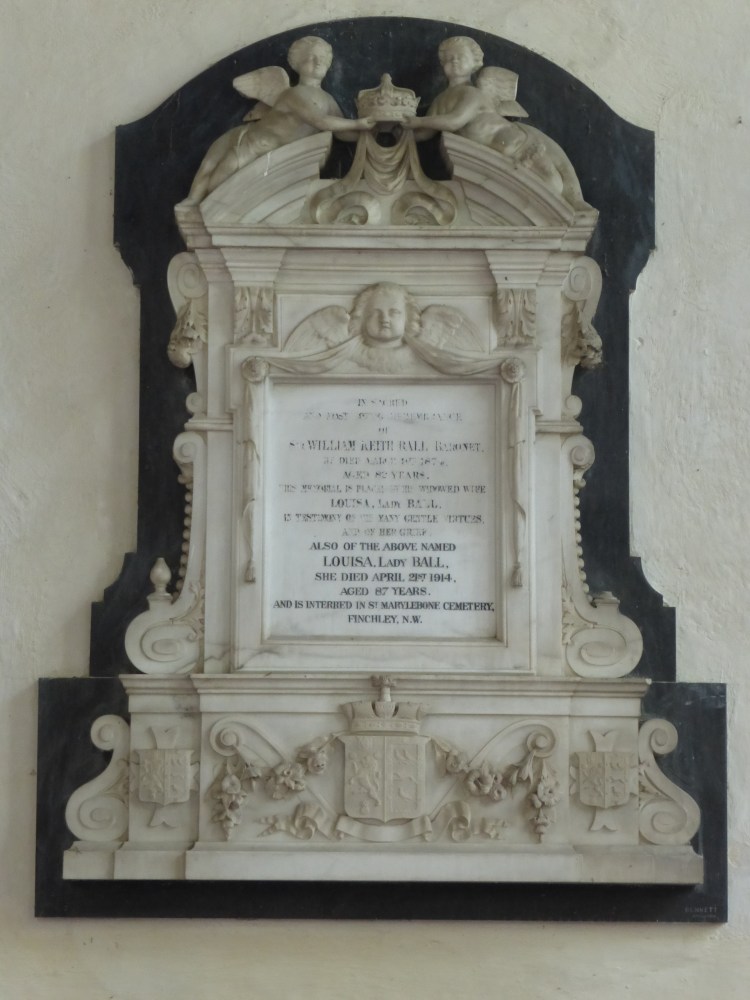
In Poynings church is a wall monument in 17th-century Baroque style with wonderful carved details. This may have been erected immediately after the death of Sir William Ball in 1878, but reference to the Baroque seems more characteristic of the early 20th century; his widow died in 1914.
Another bold monument in Baroque style in Eartham church is certainly 20th-century. It commemorates Martha Bird (died 1933) and subsequently her husband Sir William (died 1950), and was designed in 1934 by Laurence A Turner, once Master of the Art Workers’ Guild.
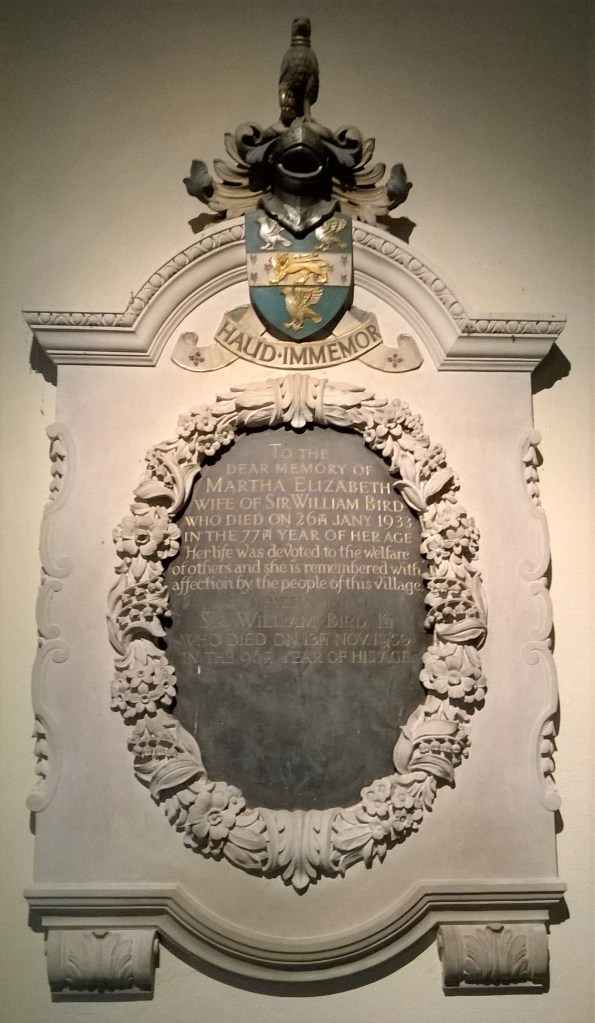
Sir William Bird was the owner of nearby Eartham House (now Great Ballard School), which he largely rebuilt in Classical style to the designs of Sir Edwin Lutyens circa 1906.
Two monuments in Amberley churchyard relate to the artists’ colony that flourished in that area at the turn of the 19th and 20th centuries. A central figure in the colony was the painter Edward Stott (died 1918). His monument was designed by the sculptor Francis Derwent Wood, Professor of Sculpture at the Royal College of Art, whose other work included the prominently placed nude figure on the Machine Gun Corps Memorial at Hyde Park Corner.
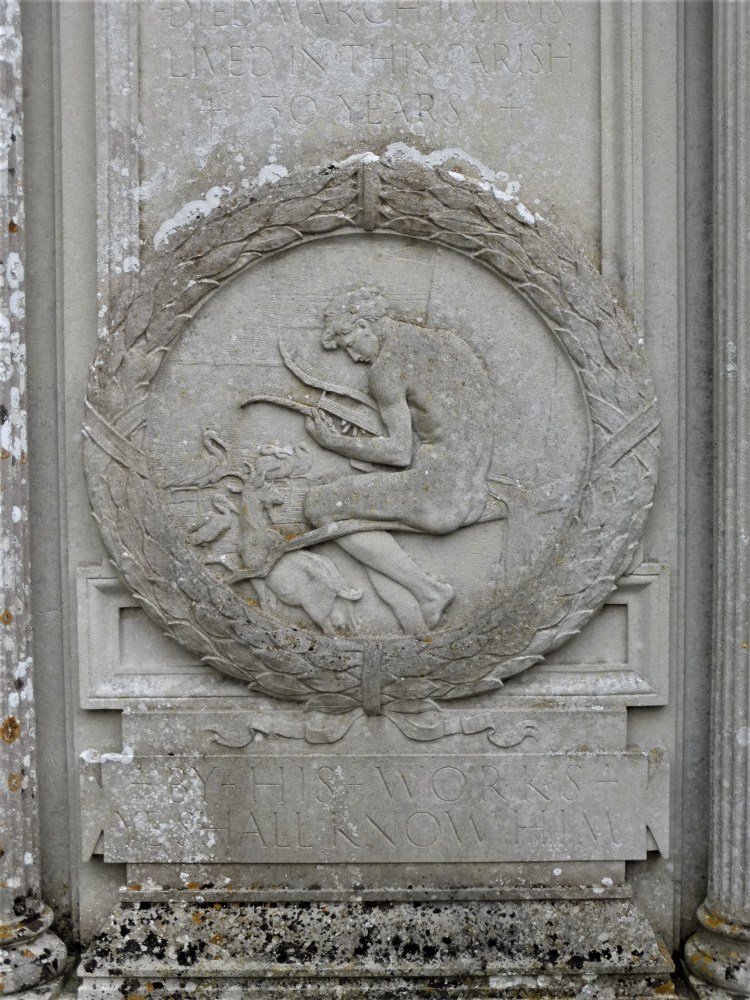
The Stott memorial consists of a tall aedicule with Ionic columns framing an exquisite low-relief sculpture within a wreath.
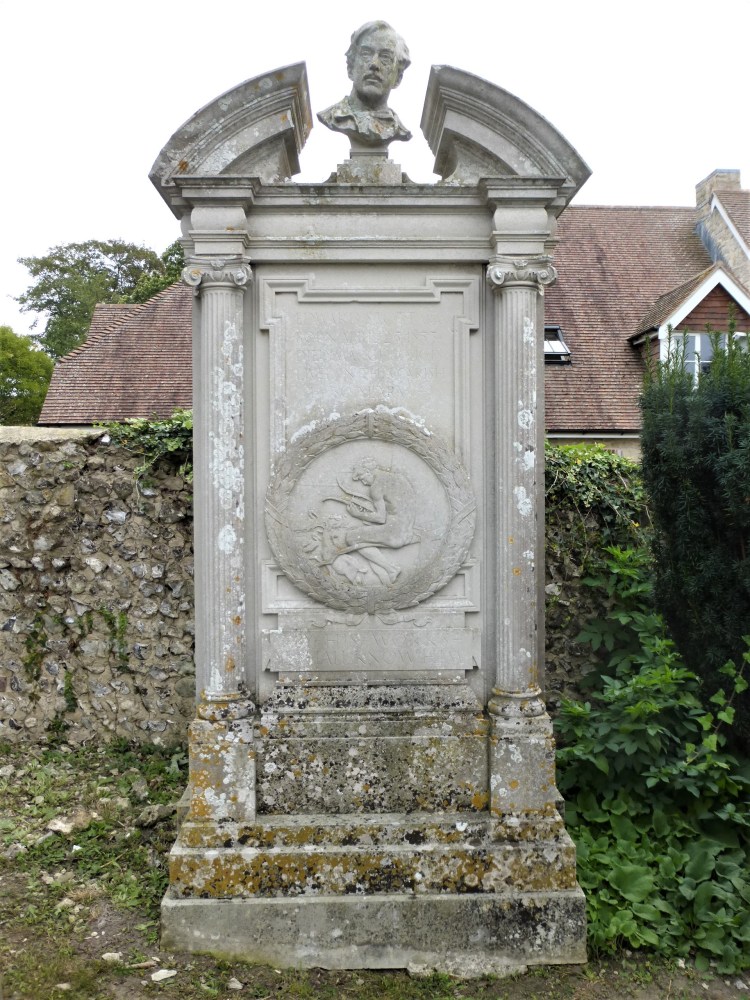
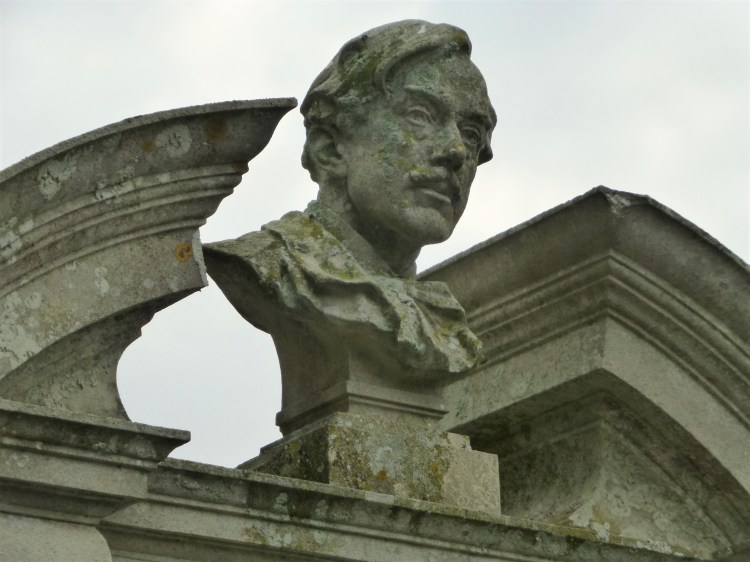
Its crowning pediment is broken in the middle to accommodate a bust of the deceased silhouetted against the sky.
Derwent Wood’s own memorial was designed at his death in 1926 by Lutyens. A plain low oblong pier contains a bronze relief copy of the ‘Pietà’ which Wood had designed in 1909 for a church memorial in London.
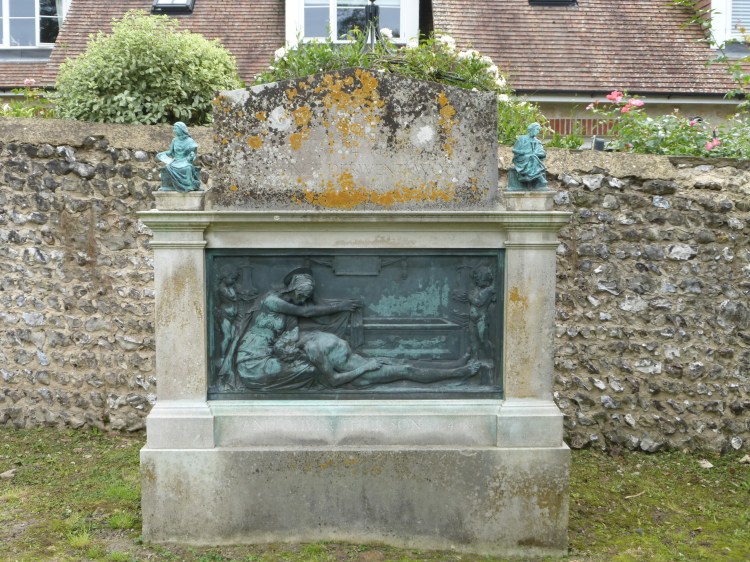
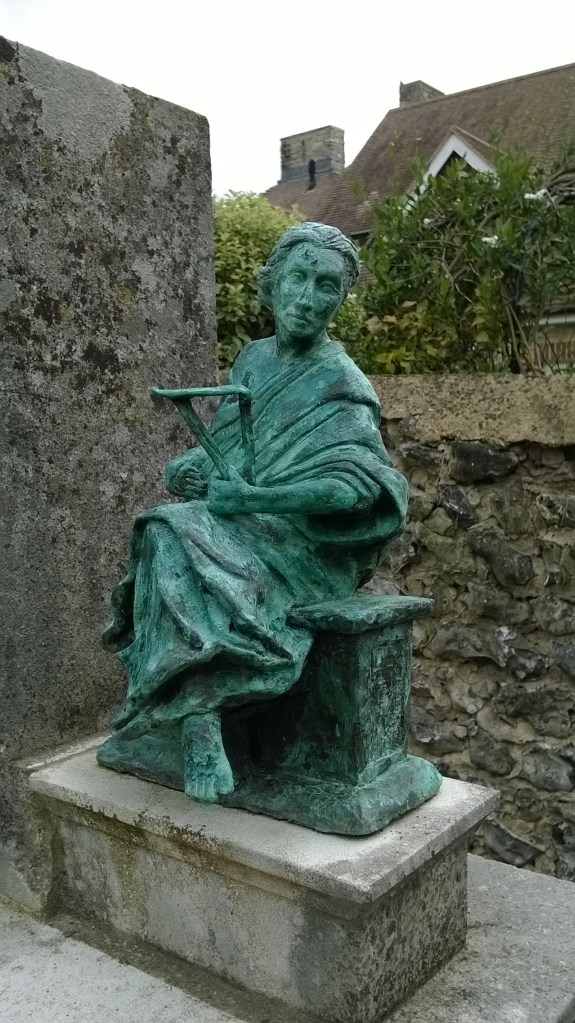
On top at the two corners are small bronze statues of Muses (now happily restored after having been stolen).
Lutyens’s work is seen again in East Lavington churchyard, where in 1943 he designed the brick and stone monument to his son in law Captain Euan Wallace, MP (died 1941), husband of his daughter Barbara. It consists of a subtly moulded headstone on a circular base, backed by a curved wall.
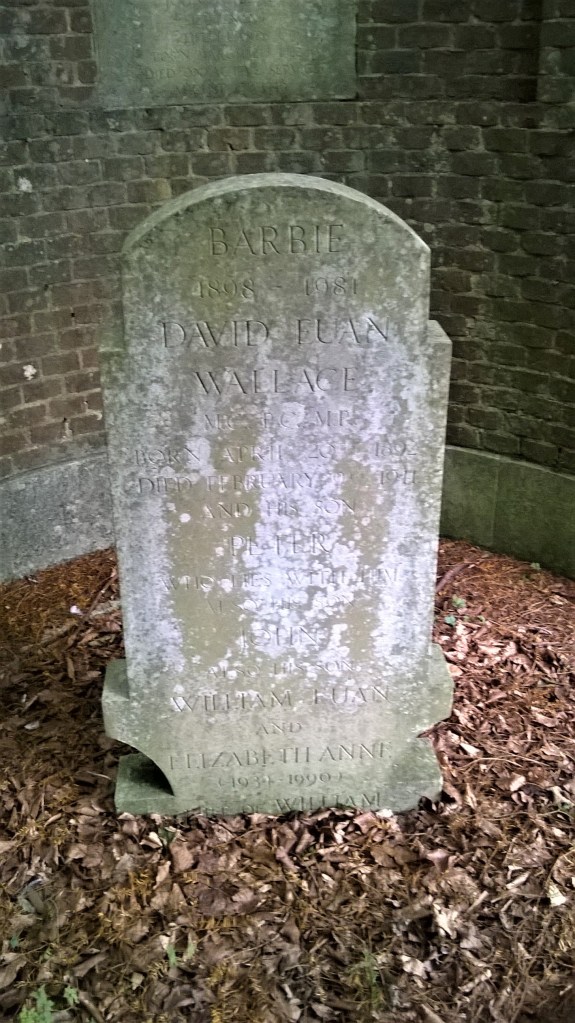
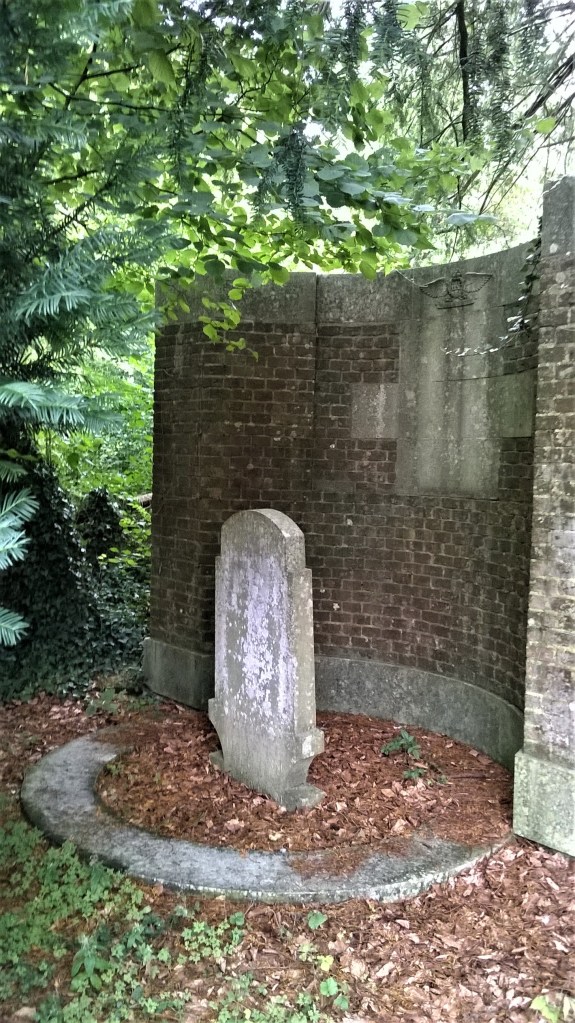
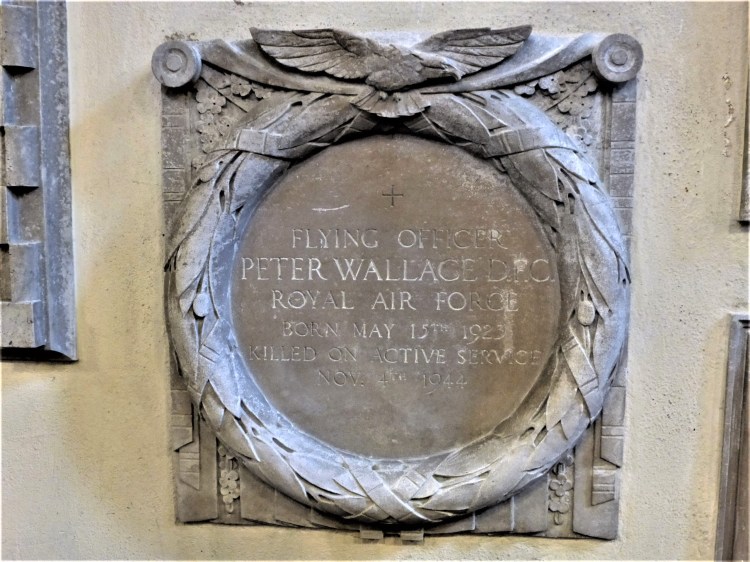
In East Lavington church itself, and possibly also to Lutyens’s design, are simple wall monuments with Italian Renaissance-style surrounds to four sons of the Wallaces killed in the Second World War.
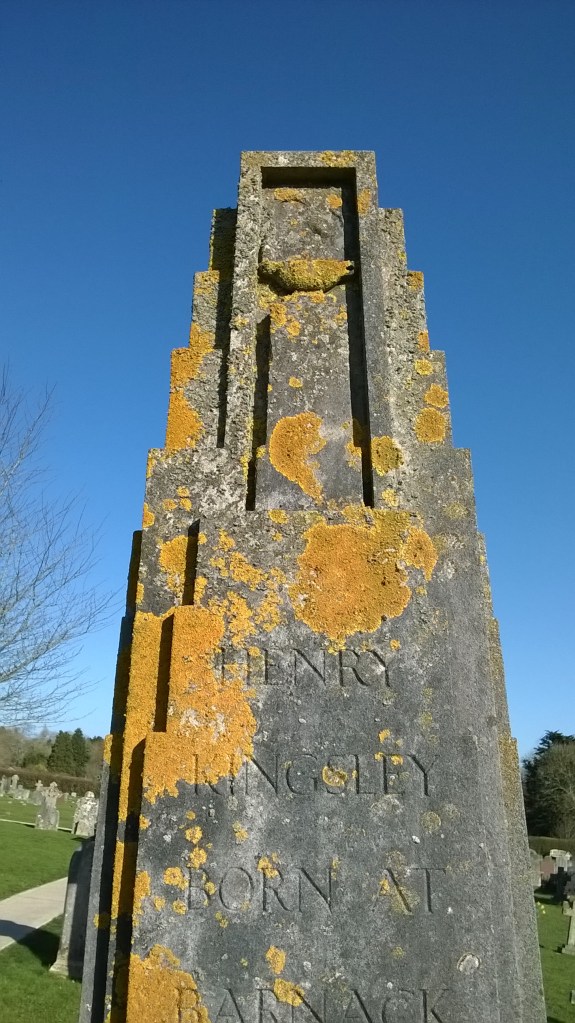
A version of the traditional funerary obelisk appears in the extraordinary monument in Cuckfield churchyard to the novelist Henry Kingsley (died 1876), brother of the more famous Charles. In the abstract recession of its planes it recalls Lutyens’s work at, for instance, the Cenotaph in Whitehall or his Midland Bank branch in central Manchester. It is an early work, dated 1931, by Arnold Whittick, later known as an architectural historian.
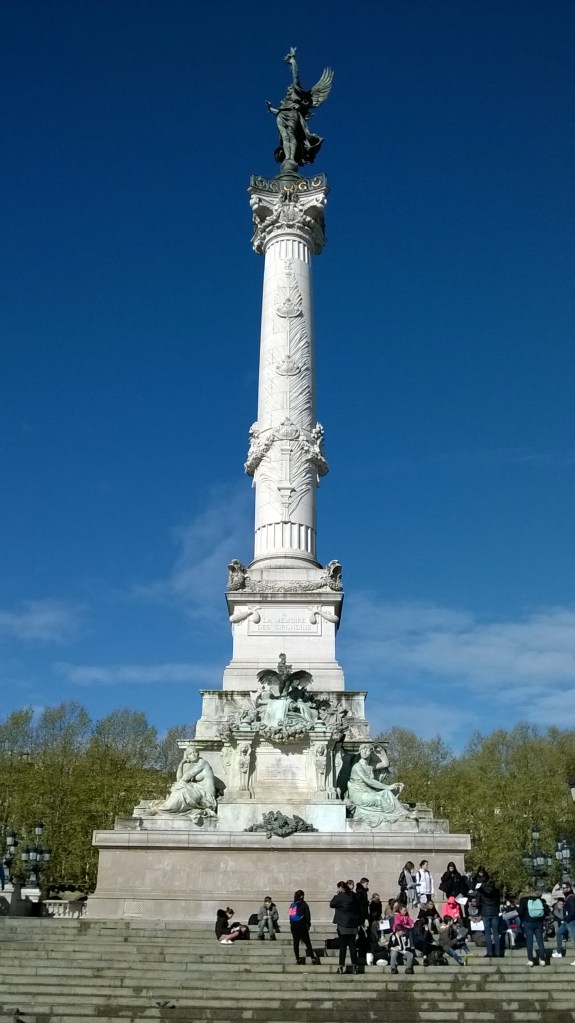
A single column may also be used commemoratively – an idea with impeccable Classical precedents, for instance in the colossal columns of the emperors Trajan and Marcus Aurelius in Rome. Similar commemorative columns from later centuries include the Nelson column in Trafalgar Square, London (William Railton, 1839–43), and the Girondins monument at the Place des Quinconces in Bordeaux of 1895–1902.
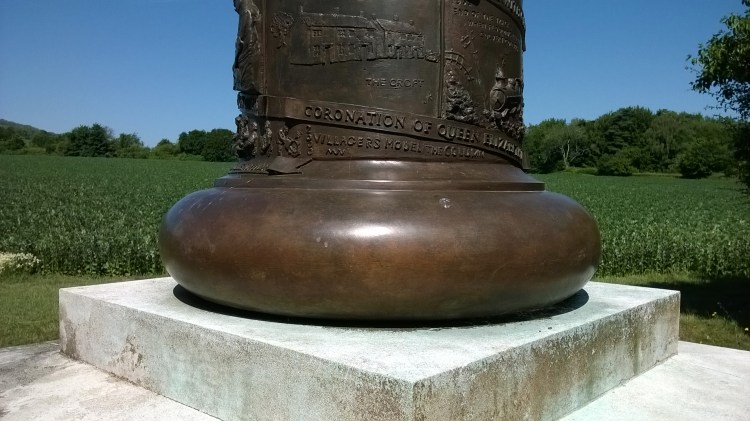
At the south end of Cocking village beside the Chichester–Midhurst road is the History Column designed by local sculptor Philip Jackson in 2005.
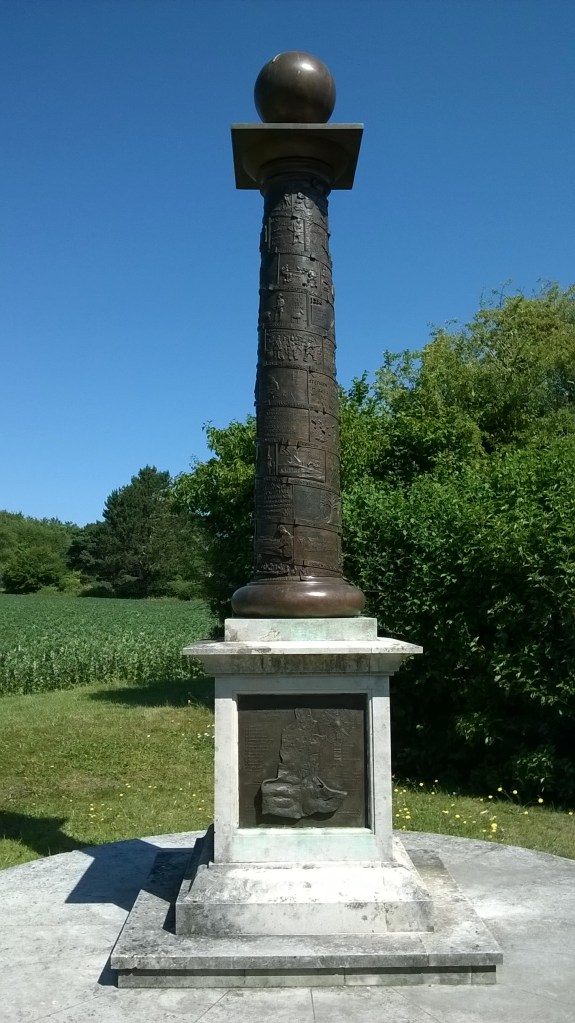
Bronze panels around its trunk representing scenes from village history are inspired by the low-relief battle scenes on Trajan’s Column, neatly bringing two millennia of Classical design into alignment.
Images © Tim and Ann Hudson.
*********************************************
Blog posts to come: Post Office Georgian; Garden buildings; What is Classical architecture?


Magnificent designs. ,and all new to me, even the Lutyens…. John
Sent from my iPad
>
LikeLike
Thank you, Tim: always a good read! Kind regards, John.
Dr John Godfrey DL +44 7585 225367
>
LikeLike