No-one would consider Bognor Regis a town of Classical buildings like Bath or Brighton. But in its origins as a seaside resort around 1800 it showed a largely Classical face.
Surviving buildings include The Dome (part of Chichester University’s Bognor campus);
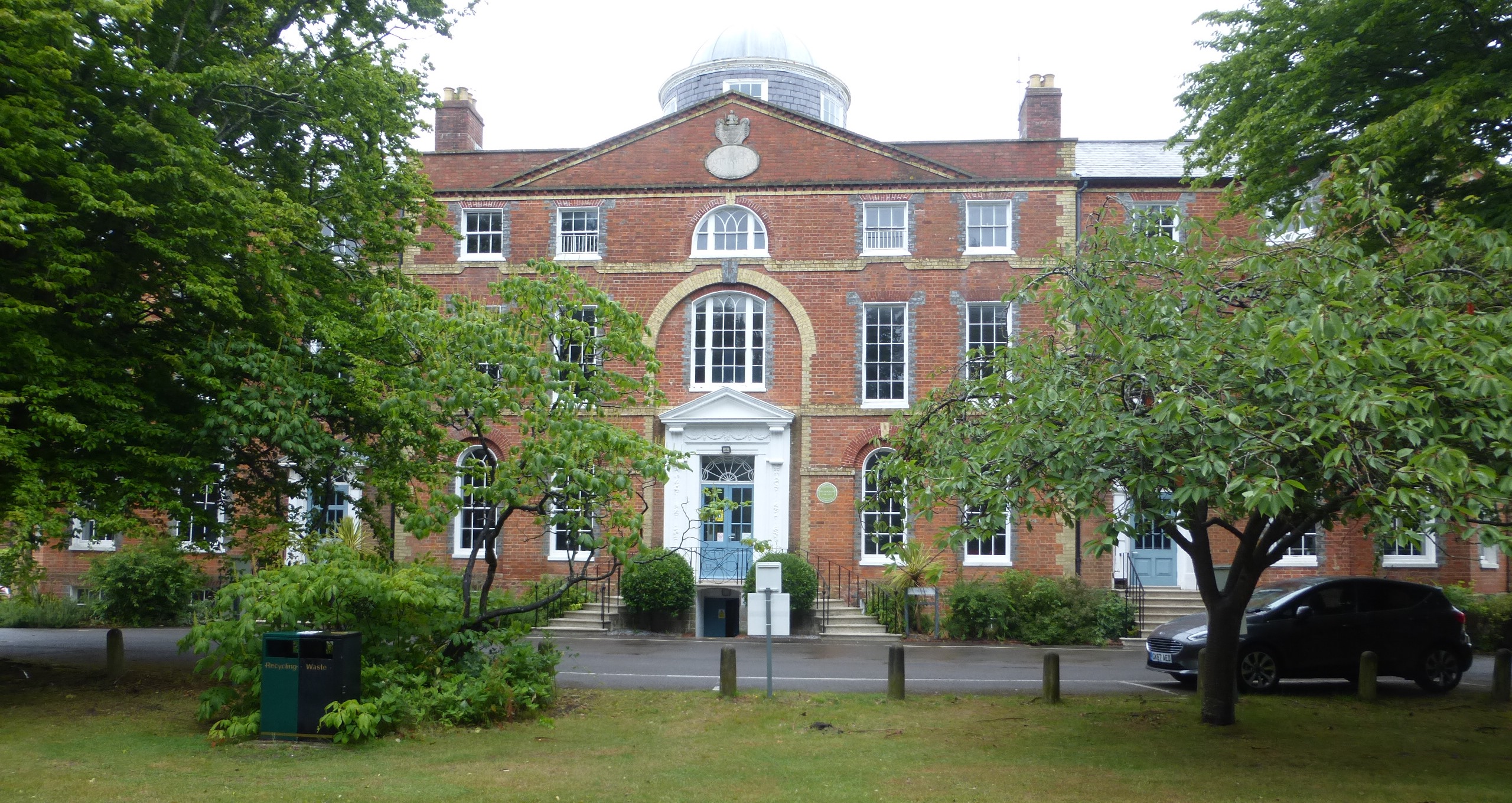
Hotham Park House with its elegant arcade; and the red brick Spencer Terrace in Upper Bognor Road.
Widespread demolitions have removed much of Bognor’s Classical past. But the tradition remained during part of the C20 at least.
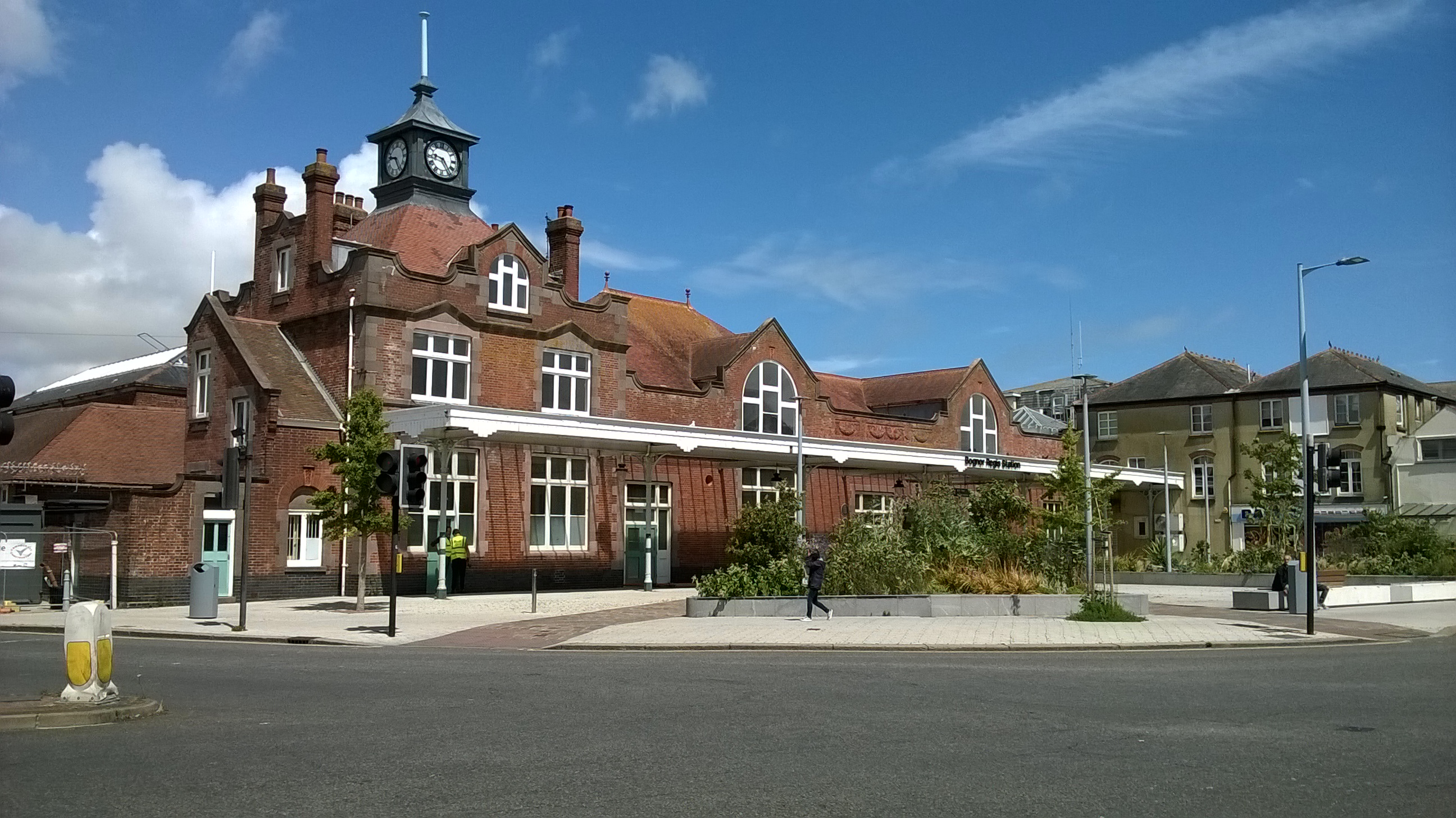
The prevailing ‘free style’ of around 1900 included Classical elements. Two such buildings face each other inland from the sea. The imposing Railway Station of 1902 was a grand point of arrival for Bognor’s many visitors.
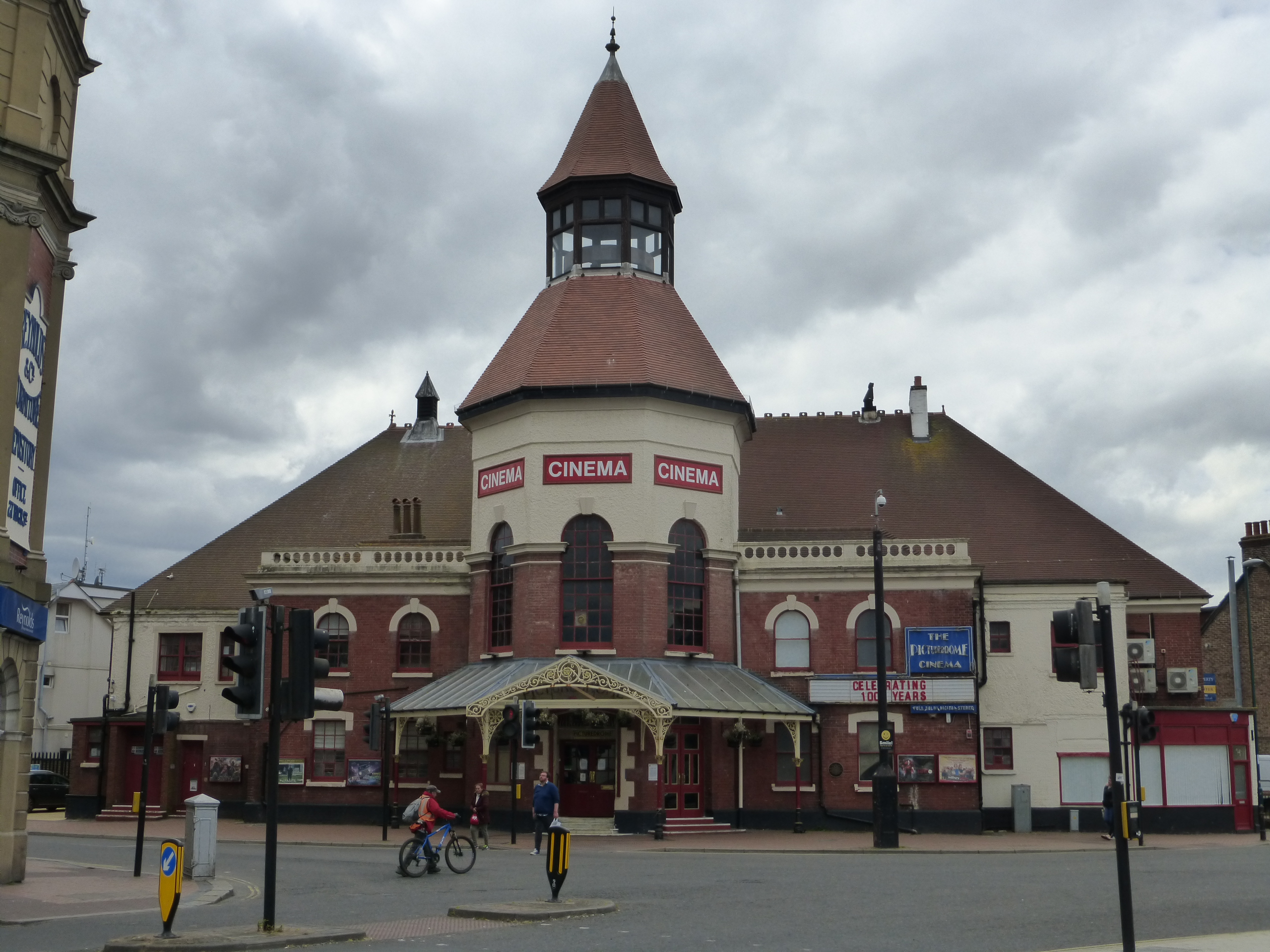
The Picturedrome Cinema opposite is a 1919 enlargement of a building originally of the 1880s.
More truly Classical on the same important road junction is Reynolds’s Furniture Repository of 1911.
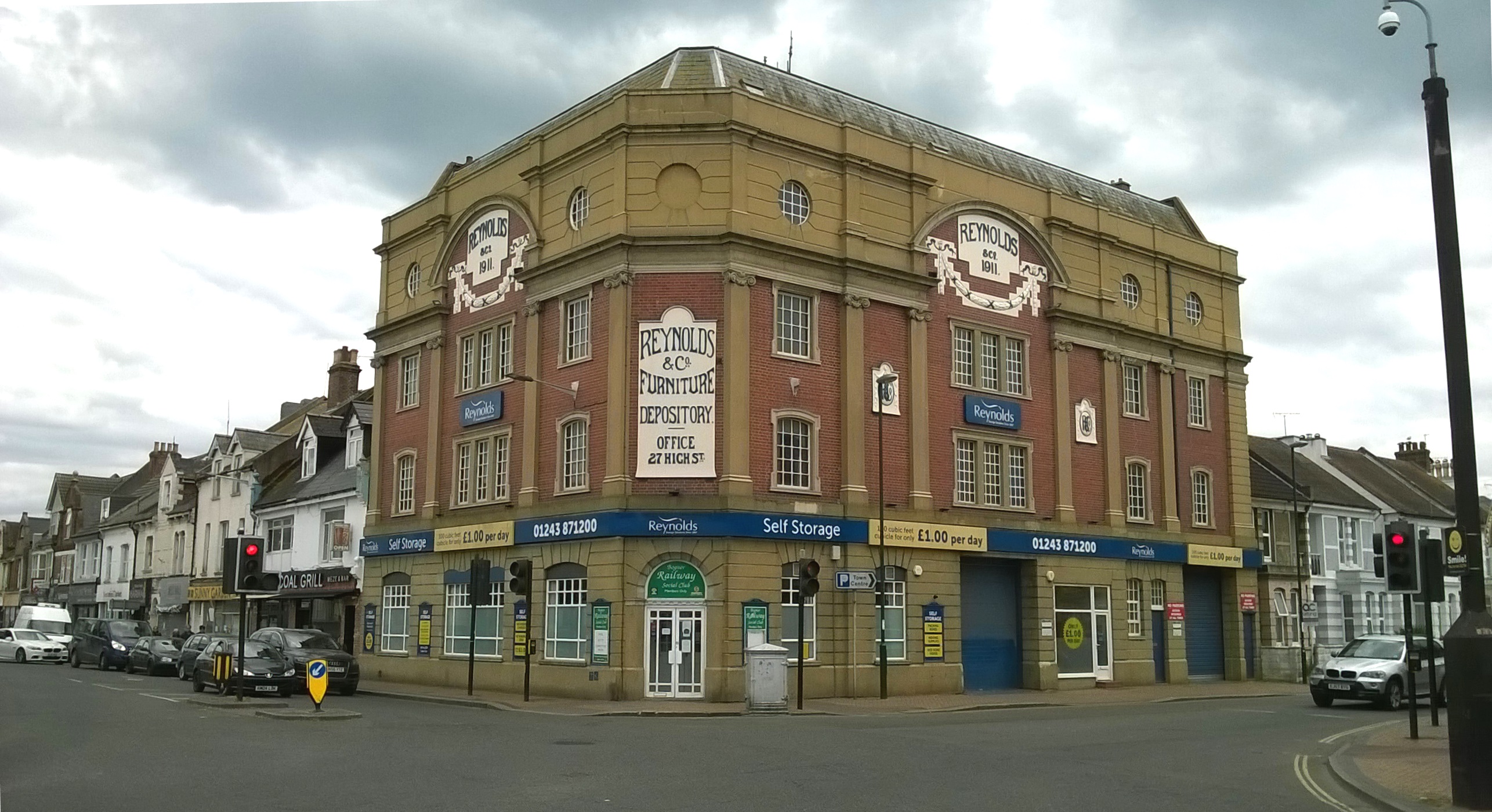
Of red brick and stone-coloured cement with both ground floor and tall attic storey rusticated, it is in Baroque style with Ionic pilasters and bold swags.
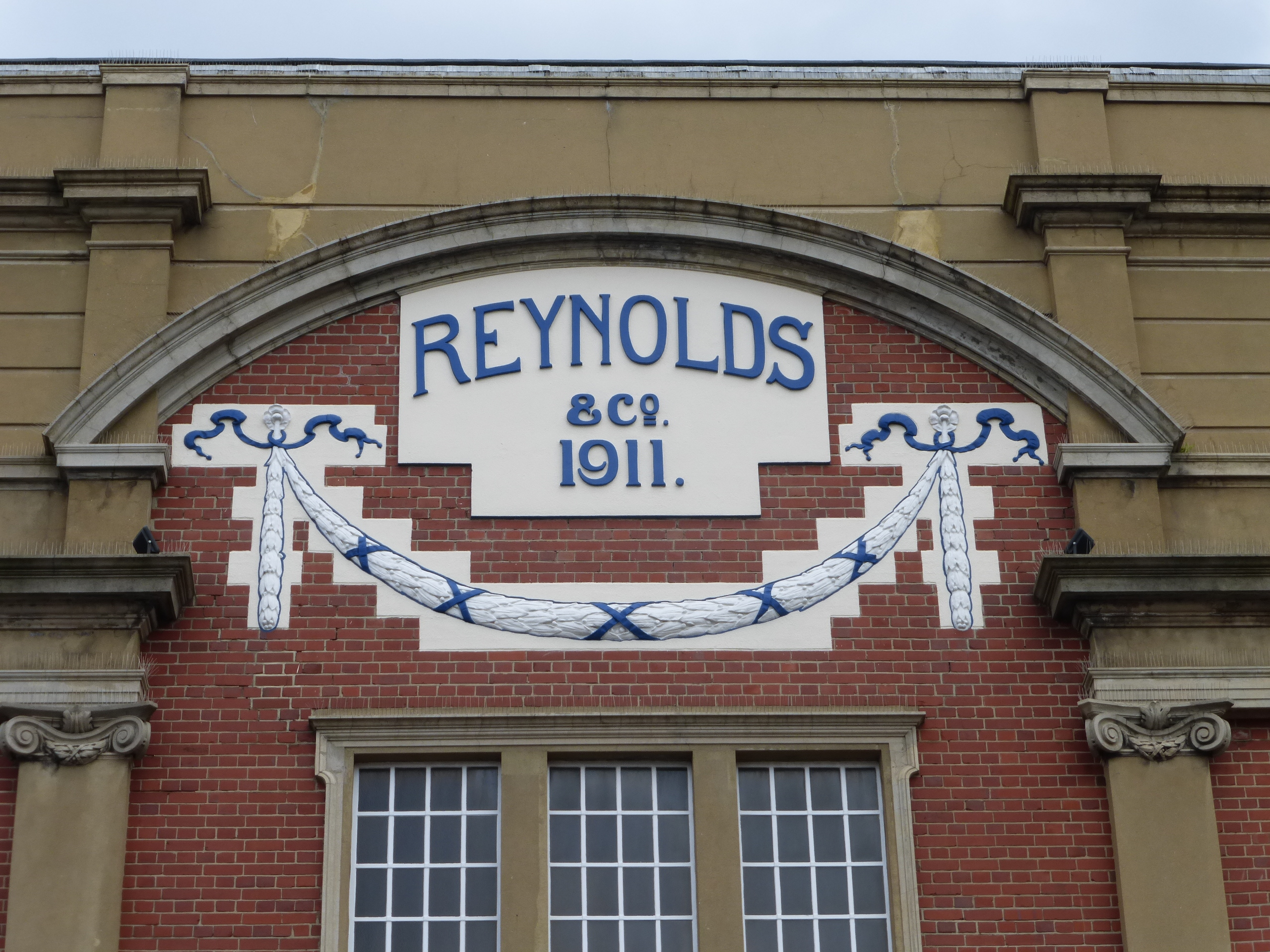
The building is perhaps a little overblown for its purpose.
A stricter approach to Classical design developed during the early C20. ‘Neo-Georgian’, with its simple lines and restrained decoration, was the prevailing mode for civic buildings in the 1920s and 30s. Famous examples are Norwich City Hall and the Bristol Council House, the latter by the prolific Vincent Harris; see Neo-Georgian architecture 1880-1970: a reappraisal, ed J Holder and E McKellar (2016).
Bognor’s Town Hall of 1927-9 is by C Cowles-Voysey, son of the more famous Arts and Crafts architect C F A Voysey and the designer of town halls at Worthing and Watford too.
Away from the town’s main streets, this building makes good use of a corner site.
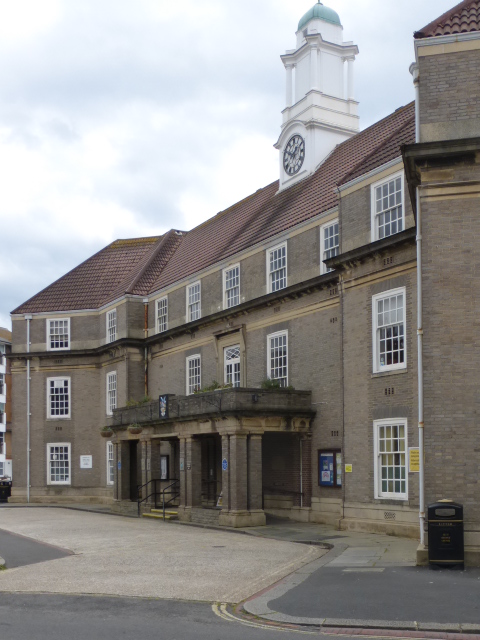
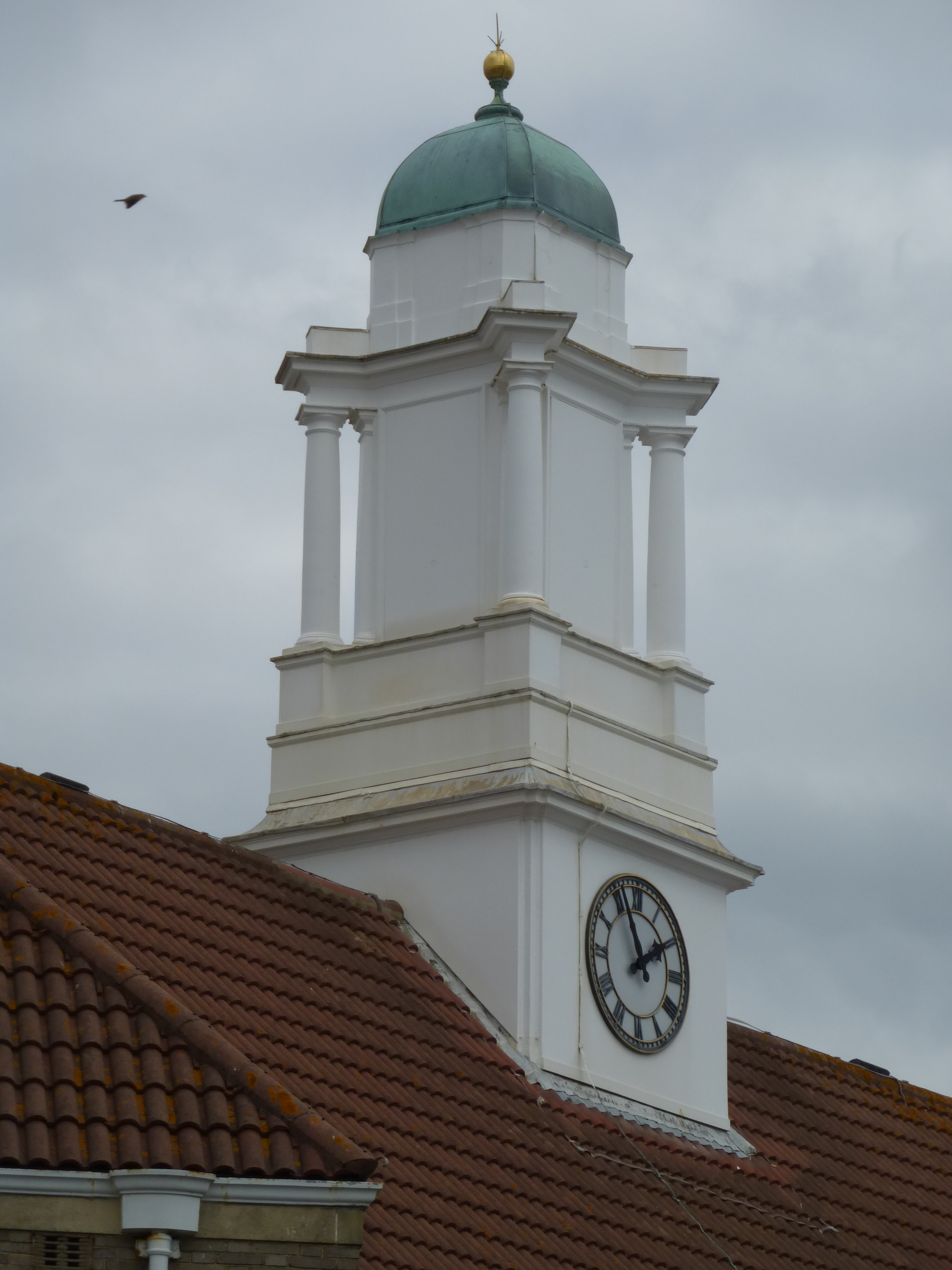
The crowning turret is typical of civic architecture at the time.
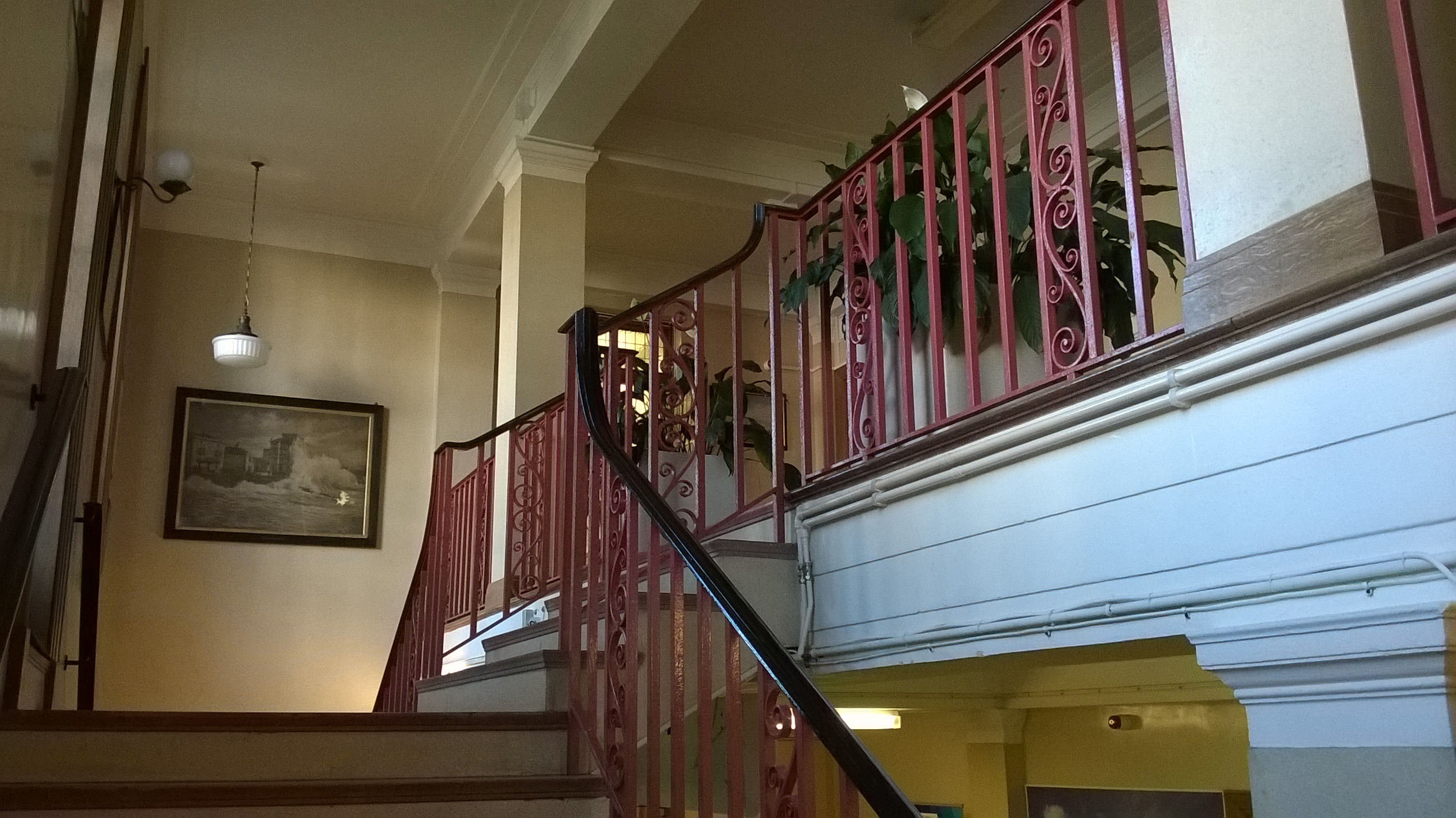
Memorable too is the staircase, with an C18 flavour.
Red brick Neo-Georgian was standard at this date for Post Offices, then being greatly increased in number across the country. Bognor’s is relatively plain, but fits into the eastern end of High Street much better than its one-storeyed extension.
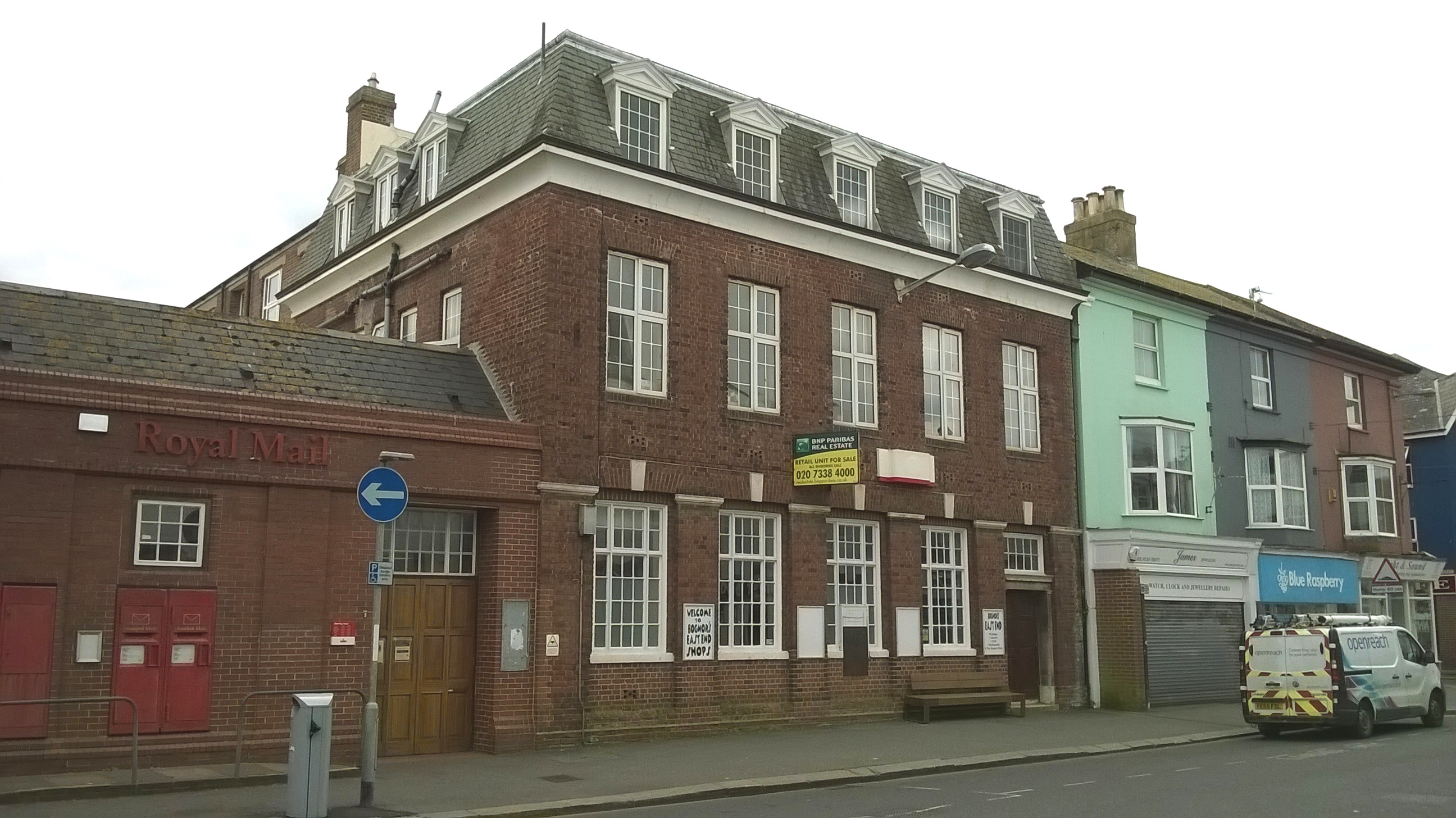
On post offices see furtherJ Osley, Built for service: Post office architecture (2010).
Meanwhile, in London Road the former Marks & Spencer shows the then house style for that retailer.
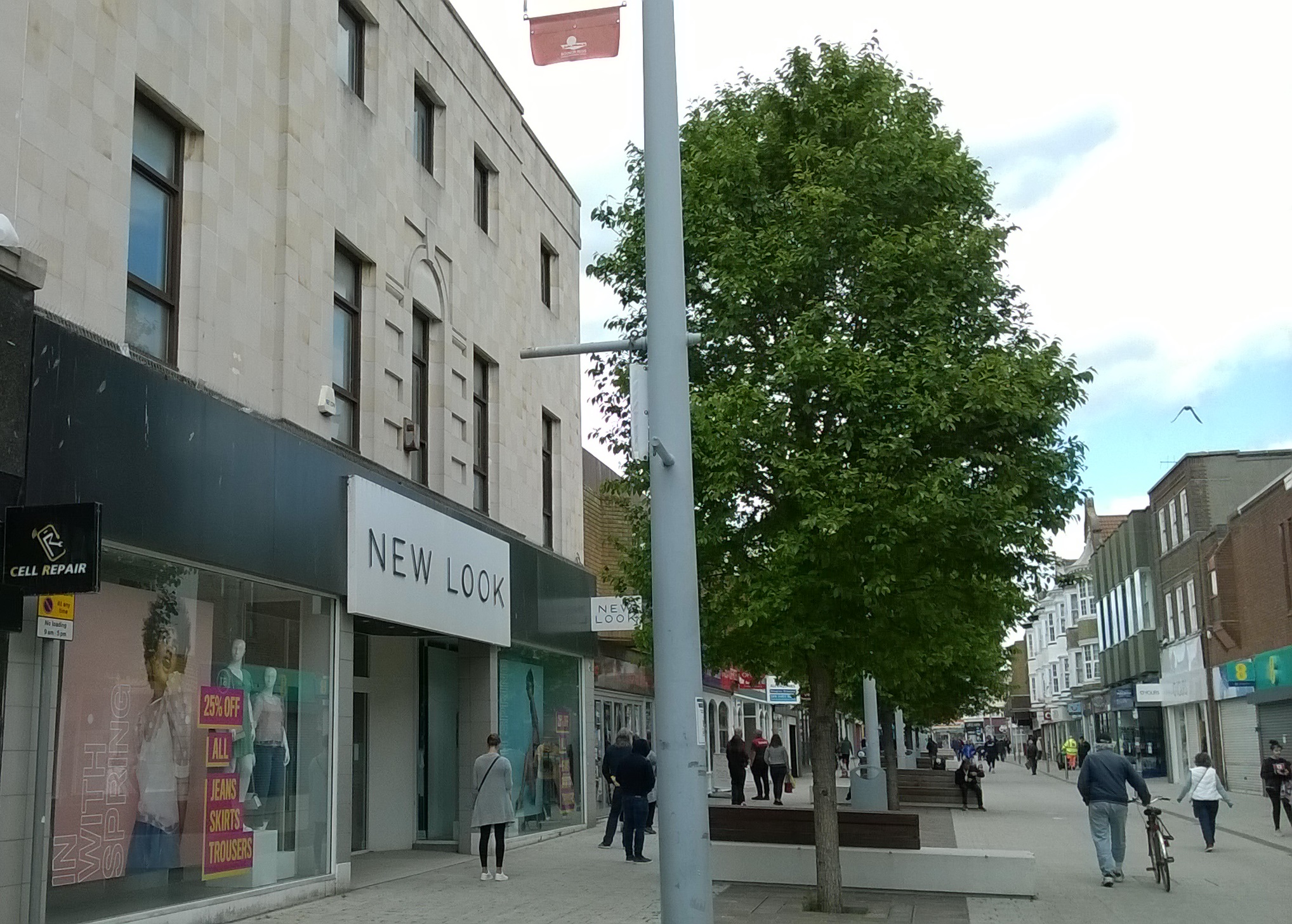
Classical details and white stonework derive from the work of Sir Edwin Lutyens.
Marine Park Gardens of 1935 west of the town is also Classical, with a long layout in several sections, including porticos and sun loggias.
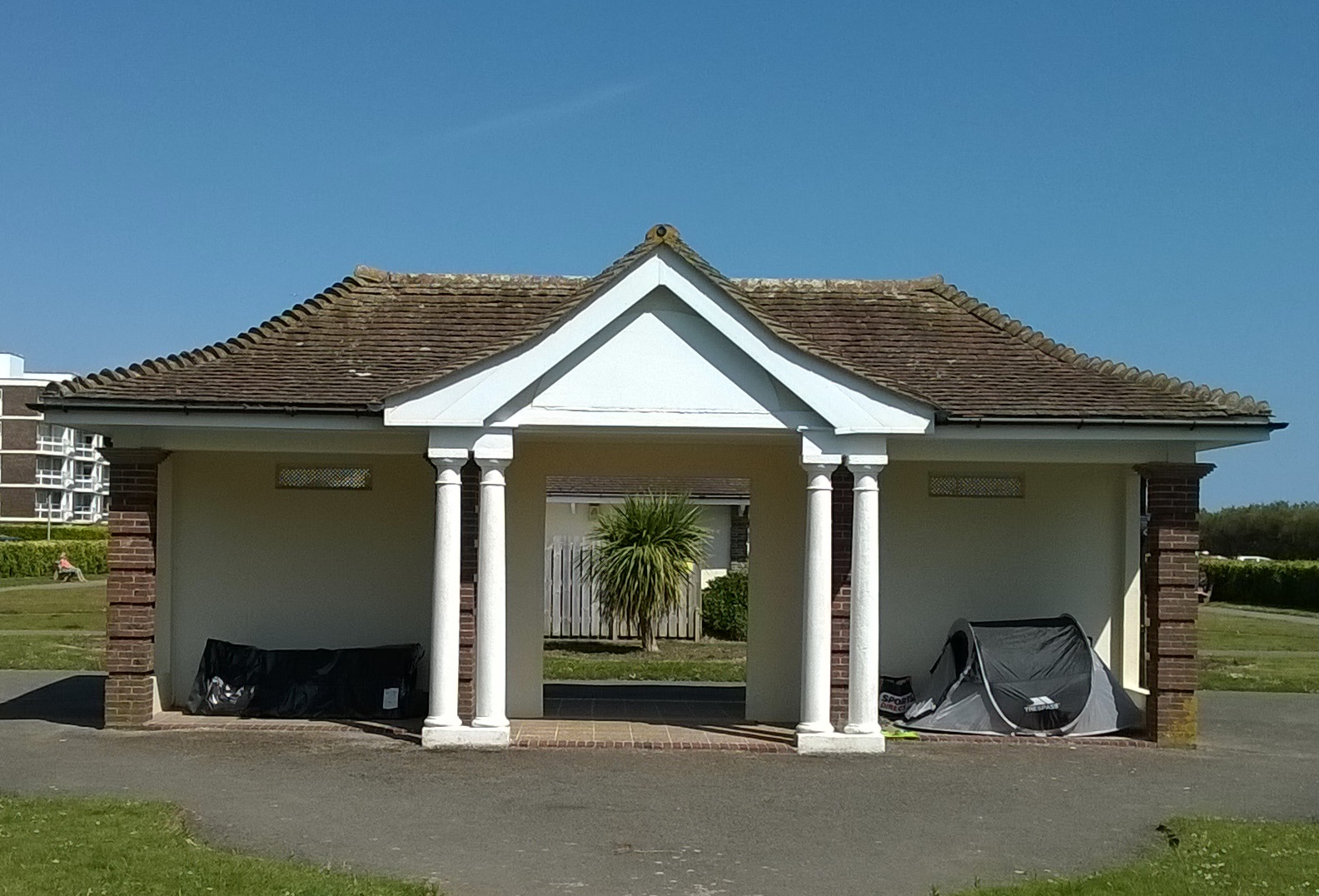
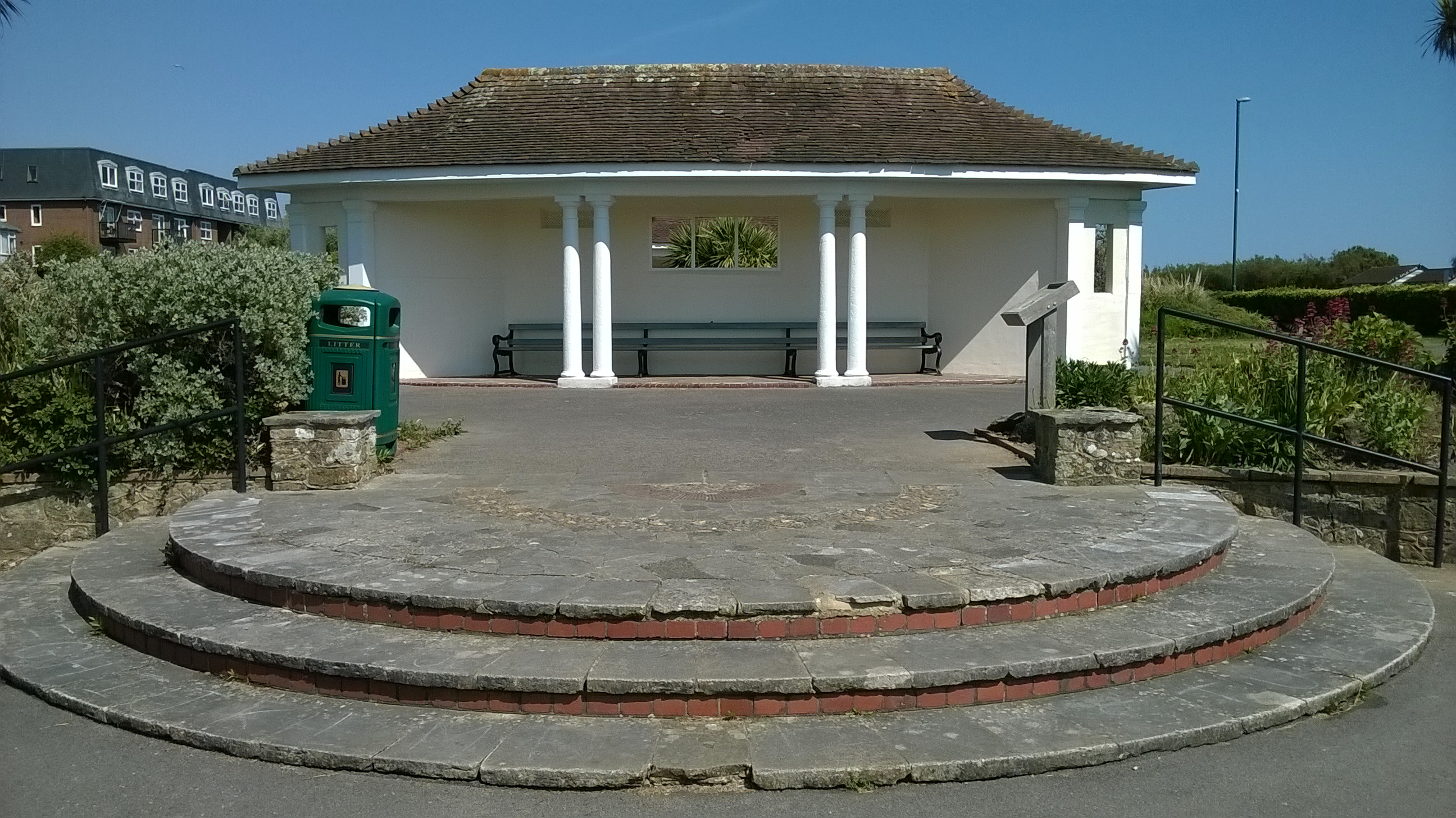
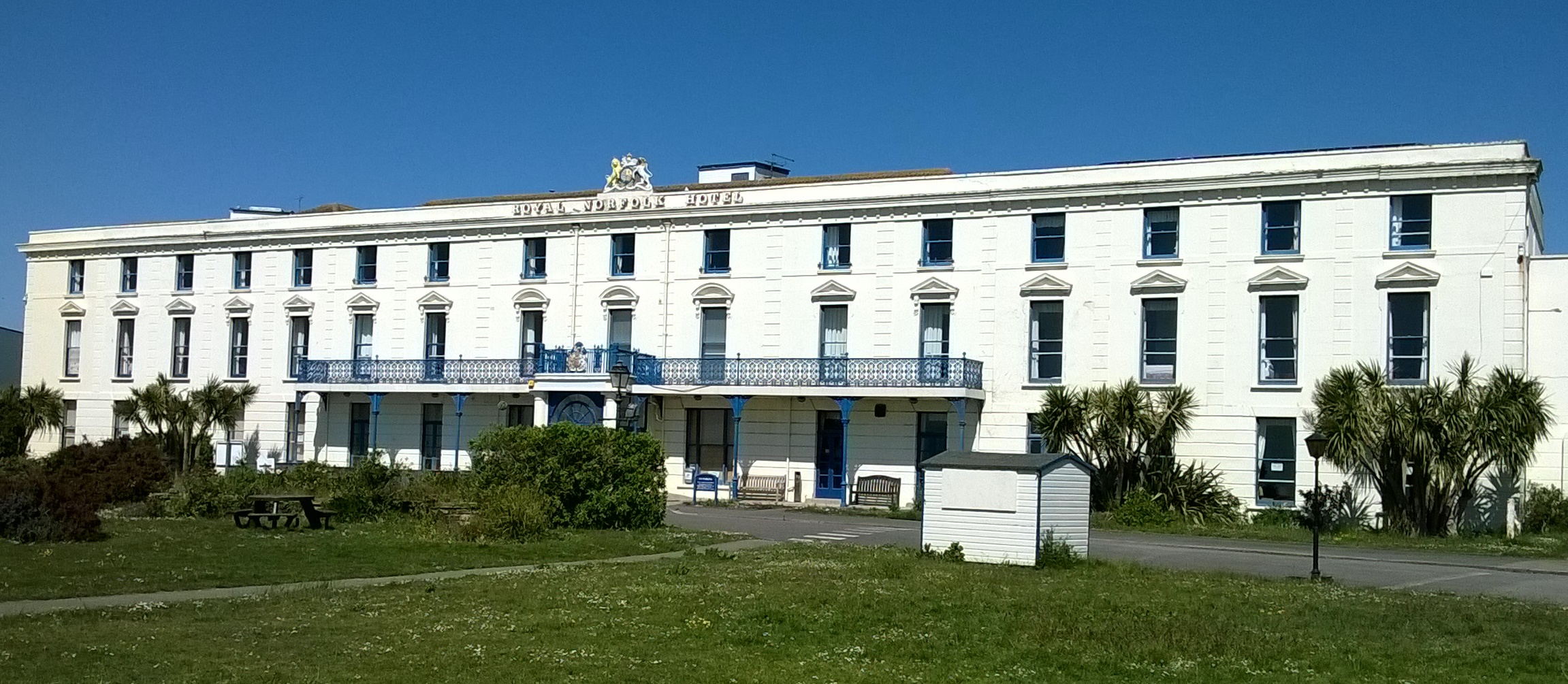
Since the Second World War new Classical buildings of quality have been a rarity in the town. But even during the high tide of Modernism the enlargement of the early C19 Royal Norfolk Hotel on the seafront was carried out in matching style. Two extra bays had already been added to the original seven-bay front in 1910. Seven more appeared in 1971, creating the impressive façade of today.
Images copyright Tim and Ann Hudson.
*****************************
Blog posts to come: Bognor suburbs; Littlehampton; C G Stillman, County Architect; What is Classical architecture?


Dear Horatius
A very appropriate name to be associated with the new blog! This is a great way to introduce people to those C20 classical buildings they might have overlooked. Excellent photos too, especially of the pavilion which looks most inviting. I’m very much looking forward to the next instalment.
Elizabeth
On Sat, 4 Jul 2020 at 09:25, Classicism on the South Coast wrote:
> horatius65 posted: ” No-one would consider Bognor Regis a town of > Classical buildings like Bath or Brighton. But in its origins as a seaside > resort around 1800 it showed a largely Classical face. Surviving buildings > include The Dome (part of Chichester University’s Bogno” >
LikeLike
Who’d have thought there was so much to admire in the architectural desert of Bognor Regis! Most interesting.
LikeLike